
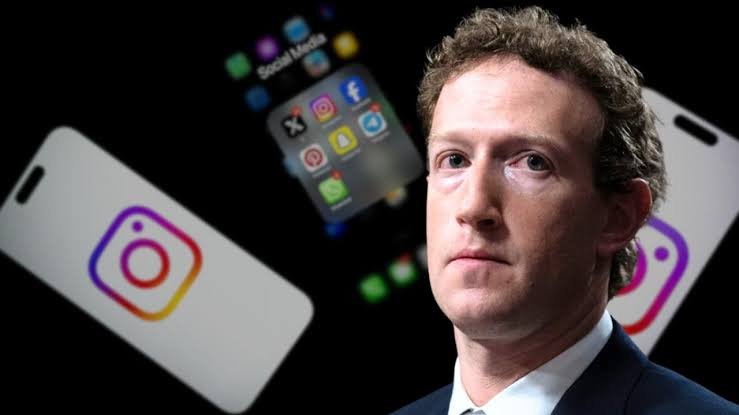
A major lawsuit against Meta has come to an unexpected end just days before it was supposed to go to trial. The case, which accused Meta of creating addictive social media platforms that harmed a teenager’s mental health, has been dropped by the plaintiff.
The decision means Meta will no longer have to defend itself in this particular case. However, it does not mean the company has completely escaped legal challenges over social media addiction. Thousands of similar lawsuits are still active in courts across the United States, and the debate over how social media affects young people is far from over.
If you have been wondering why the social media addiction lawsuit against Meta was dropped and what it means for Meta, parents, teenagers and the future of social media, this guide explains everything in simple terms.
What Was the Lawsuit About?
The lawsuit was filed by a teenager from Florida, identified in court documents only by the initials R.K.C.
He claimed that Meta designed Facebook and Instagram in ways that encouraged people to spend too much time using the apps. According to the lawsuit, features such as endless scrolling, constant notifications and recommendation systems made the platforms addictive and contributed to mental health problems.
The teenager argued that these design choices were not accidental. Instead, he claimed the companies knowingly created products that kept users engaged for longer periods, even when doing so could negatively affect young people’s wellbeing.
Meta was not the only company named in the broader legal battle. TikTok, YouTube and Snap were also accused of creating addictive social media platforms.
Why Was the Lawsuit Dropped?
The lawsuit was dropped because the plaintiff decided not to continue the case against Meta.
According to reports, the teenager chose to withdraw the lawsuit without receiving any payment from the company. His legal team explained that continuing a long and highly public court case would have placed a significant emotional burden on him and could have slowed his personal recovery.
This is an important detail because many people assume lawsuits only end when companies pay large settlements. In this case, Meta says no money was paid, and the plaintiff voluntarily ended the legal action against the company.
Because the case ended before trial, the court never ruled on whether Meta had done anything wrong.
Did Meta Win the Case?
Not exactly.
Since the lawsuit was withdrawn before the trial began, there was no judge or jury decision on the claims made by either side.
Meta described the lawsuit as baseless and said the outcome showed the company would continue defending itself against claims it believes have no legal foundation.
At the same time, the plaintiff did not admit that his allegations were false. He simply chose not to continue the legal process.
For this reason, the case should not be seen as proof that either side was right or wrong. It simply ended before the court had the opportunity to examine all the evidence.
Why Was This Case So Important?
This lawsuit attracted national attention because it was expected to become a bellwether case.
A bellwether case is an important legal case that helps courts and lawyers understand how similar lawsuits may be handled in the future.
Thousands of families, school districts and state governments have filed lawsuits against major social media companies over similar concerns.
Many of these cases claim that social media platforms were designed in ways that encouraged excessive use, especially among children and teenagers.
If this lawsuit had gone to trial and reached a final verdict, it could have influenced many other cases that are still waiting to be heard.
What Features Are Being Questioned?
Many of the lawsuits against social media companies focus on the same types of app features.
These include endless scrolling, automatic video recommendations, frequent notifications and algorithms that constantly suggest new content based on user behaviour.
The argument is that these features encourage users to remain on the platform for much longer than they originally planned.
Supporters of the lawsuits believe companies should do more to reduce these risks, especially for younger users.
Technology companies, including Meta, argue that these features are designed to improve the user experience and that people are responsible for how they use digital services.
Meta Is Still Facing Other Lawsuits
Although this particular lawsuit has ended, Meta’s legal challenges are far from over.
The company is still facing thousands of similar lawsuits across the United States.
Earlier this year, Meta lost a case in New Mexico involving allegations about the safety of its platforms for children. The court ordered the company to pay hundreds of millions of dollars in penalties after finding that it had misled consumers about platform safety and failed to adequately protect young users.
In another case, a jury awarded millions of dollars in damages involving claims against Meta and Google.
These earlier decisions show that while Meta avoided this trial, it continues to face significant legal pressure.
What About TikTok, YouTube and Snap?
Meta was the last remaining defendant in this particular lawsuit.
Before the case was dropped, TikTok, Google’s YouTube and Snap had already reached agreements with the plaintiff.
The exact details of those agreements have not been made public.
Because those companies settled earlier, the focus shifted entirely to Meta until the plaintiff decided to withdraw his remaining claims.
What Could This Mean for Social Media?
The outcome of this lawsuit does not change the larger conversation about social media addiction.
Governments around the world are paying closer attention to how technology companies design their products. Parents, teachers and health experts continue to raise concerns about the amount of time children spend on social media.
Many lawmakers are also considering new rules that would require stronger protections for younger users.
Some proposals include stricter privacy settings for teenagers, limits on personalised recommendations and greater transparency about how recommendation algorithms work.
Whether these changes become law or not, the pressure on technology companies is clearly increasing.
What Does This Mean for Meta?
For Meta, the end of this lawsuit removes one immediate legal challenge.
The company no longer has to prepare for what would likely have been a lengthy and highly public trial.
However, this does not eliminate the broader legal risks facing the company.
Meta continues to invest heavily in improving safety tools, parental controls and features that help users manage the time they spend on its platforms. At the same time, it must continue defending itself against many other lawsuits involving similar allegations.
The company will likely remain under close public and legal scrutiny for years to come.
The Bottom Line
The social media addiction lawsuit against Meta was dropped because the plaintiff chose to end the case before it reached trial, not because a court decided Meta was innocent or because the company agreed to pay a settlement. While this brings one legal battle to an end, it does not settle the larger debate over whether social media platforms contribute to addiction and mental health problems among young people.
The case also highlights how difficult these lawsuits can be for everyone involved. Long court battles can place emotional pressure on plaintiffs, while technology companies continue facing growing legal and public scrutiny over how their platforms are designed.
As governments, courts and researchers continue examining the effects of social media, the conversation is unlikely to end anytime soon. The decisions made in future cases could shape how platforms such as Facebook, Instagram, TikTok and YouTube are designed, regulated and used by millions of people around the world.