
Learning a hand craft skill can be a smart way to earn extra income without needing a large business capital. Many handcraft businesses can be started from home, allowing you to make products, sell them to customers and gradually turn the skill into a full-time business.
Whether you are a student, worker, stay-at-home parent or entrepreneur, there are several hand craft skills you can learn and monetise. The key is to choose a skill that matches your interests, learn it properly and identify people who are willing to pay for your products.
Here are 7 of the best hand craft skills to learn for extra income.
1. Bead Making and Jewelry Design
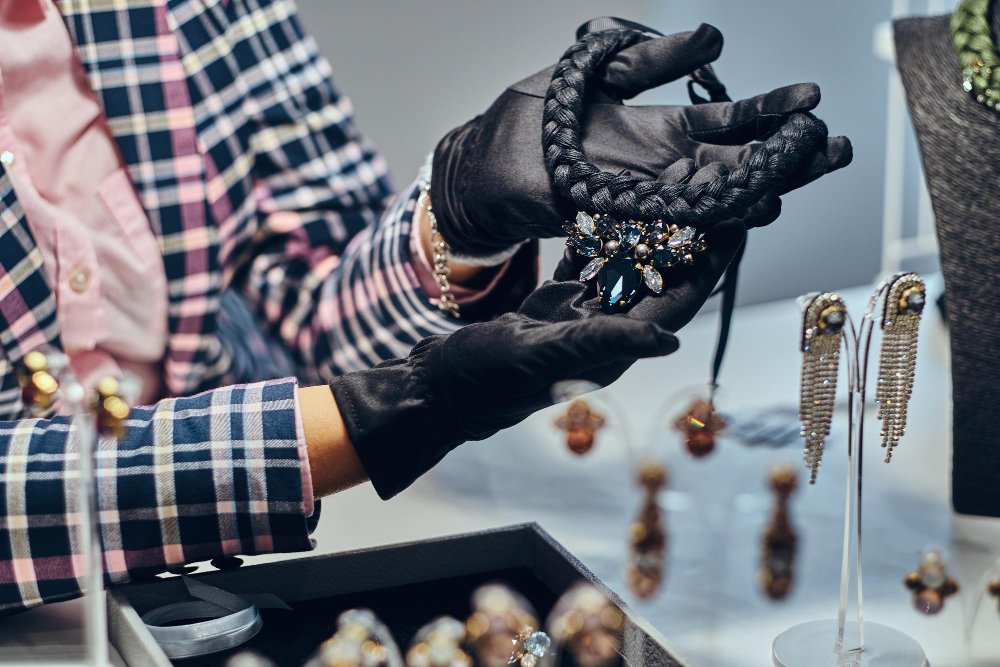
Bead making is one of the most accessible hand craft skills to learn, especially for beginners. You can use beads, wires, strings and other materials to create attractive fashion accessories.
You can make products such as bracelets, necklaces, earrings, waist beads, phone charms, anklets and keyholders.
One major advantage of bead making is that you can start small. You do not necessarily need a physical shop. You can make your products from home and sell them through WhatsApp, Instagram, Facebook and other platforms.
Customised jewelry can also be particularly profitable because customers may be willing to pay more for products made according to their preferred colours, names or designs.
With good product photography, attractive packaging and consistent marketing, bead making can become a reliable source of extra income.
2. Crochet and Knitting
Crochet and knitting are useful hand craft skills for people who enjoy working with yarn and creating products by hand.
With proper training and practice, you can make bags, hats, sweaters, baby clothes, slippers, scarves, flowers, toys and other fashion accessories.
Crochet products are also suitable for customised orders. For example, a customer may request a particular colour, size or design.
You can sell finished products directly to consumers or take orders before producing them. This can help reduce the amount of money you need to spend on inventory.
If you become highly skilled, you can also make money by teaching beginners through physical classes or online tutorials.
3. Soap and Candle Making
Soap and candle making combines creativity with products that people use regularly.
You can learn how to make different types of handmade soaps, scented candles, decorative candles and gift sets. These products can be sold individually or packaged as gifts for birthdays, weddings, anniversaries and other occasions.
One advantage of this skill is the opportunity to create products for specific customer needs. For example, you can offer different fragrances, shapes, colours and packaging styles.
However, beginners should take proper training before selling products, particularly when working with ingredients that require careful handling.
Good branding can also make a significant difference. A well-made candle or soap with attractive packaging can be positioned as a premium gift rather than simply another handmade product.
4. Bag and Shoe Making
Bag and shoe making can become a valuable source of income once you develop good practical skills.
You can learn to make handbags, wallets, slippers, sandals, footwear and other leather or fabric products. Customers can also request customised designs, colours and sizes.
The skill may require more tools and materials than some of the other options on this list, but the earning potential can also be attractive because finished products can be sold at higher prices.
You can begin by learning the basics, practising with affordable materials and gradually investing in better equipment.
As your skills improve, you can create your own designs and build a recognisable brand around your products.
5. Tie-Dye and Fabric Design
Tie-dye is another hand craft skill that can be turned into a profitable small business.
It involves creating different patterns and colour combinations on fabrics. The finished fabrics can be used to make clothes, shirts, dresses, bags, scarves and other fashion items.
The demand for unique and locally designed fashion products creates opportunities for people who can produce attractive and consistent designs.
You can sell directly to individuals, fashion designers, clothing brands and boutiques. You can also combine tie-dye with sewing if you want to offer finished clothing rather than only supplying fabrics.
The most important thing is to develop designs that stand out. Customers are more likely to return when they know they can get unique patterns from you.
6. Hair Accessories and Handmade Fashion Items
Making hair accessories is another hand craft skill that can be started on a relatively small scale.
You can make products such as hair bows, scrunchies, headbands, fascinators, hair clips and other fashion accessories.
These products can be particularly suitable for people who want to start a home-based business because they are generally small, easy to package and relatively simple to display online.
You can also target specific markets. For example, you could create children’s hair accessories, bridal accessories or fashionable pieces for young adults.
Social media can be useful for showcasing your designs. Instead of simply telling people that you make hair accessories, post clear pictures and short videos showing how the products look when worn.
You can also create sets and gift packages to increase the value of each order.
7. Pottery and Handmade Home Décor
Pottery and handmade home décor can be a good option for people who enjoy working with clay and other creative materials.
You can create products such as flower pots, vases, mugs, plates, candle holders, wall decorations and other decorative items.
Handmade décor can appeal to homeowners, offices, restaurants, hotels, event planners and people looking for unique gifts.
This skill may require more specialised equipment and training than some of the other options on this list. However, skilled artisans can differentiate themselves through unique designs and high-quality finishing.
You can also take customised orders for customers who want specific shapes, colours, names or designs.
How To Choose The Right Hand Craft Skill
The best hand craft skill for you depends on several factors.
First, consider your budget. Some skills require only basic materials, while others require specialised equipment.
Next, consider your interest. A skill may be profitable, but it will be difficult to stay consistent if you do not enjoy doing it.
You should also research demand. Find out what people around you are buying and what products they are willing to pay for.
Your available time also matters. If you are learning a skill alongside school or a full-time job, choose something that you can practise without disrupting your other responsibilities.
Finally, think about how you will sell your products. A skill becomes a source of income when you can consistently turn your work into sales.
How To Make Money From Hand Craft Skills
Learning the skill is only the first step. You also need to learn how to market and sell what you produce.
One of the easiest places to start is your personal network. Tell friends, colleagues, classmates, neighbours and family members about your products.
Social media can also help you reach customers beyond your immediate environment. Use platforms such as WhatsApp, Instagram, Facebook and TikTok to display your work.
You can also:
- Take customised orders from customers.
- Supply boutiques and fashion businesses.
- Sell at exhibitions, craft fairs and events.
- Partner with event planners and gift vendors.
- Create gift packages for special occasions.
- Teach beginners after gaining enough experience.
- Take orders online and deliver to customers.
Do not underestimate the importance of good pictures, packaging and customer service. Two people may sell similar products, but the person with better presentation and customer experience may attract more buyers.
How Much Can You Earn From Hand Craft Skills?
There is no fixed amount that everyone can earn from a hand craft skill.
Your income will depend on your skill level, product quality, pricing, demand, marketing, number of customers and how consistently you work.
A beginner may initially earn small amounts while learning and building a customer base. With experience, better products and stronger marketing, the business can grow significantly.
The goal should not be to become profitable immediately. Start by mastering the skill, producing quality items and understanding what customers want. As your reputation grows, you can gradually increase your prices and expand your product range.
Conclusion
Hand craft skills can provide an opportunity to earn extra income while also giving you a practical skill that can become a business.
Bead making, crochet, soap and candle making, bag and shoe making, tie-dye, hair accessories and pottery are all options worth considering.
You do not need to learn all seven. Choose one that matches your interests, budget and available time. Learn from an experienced person or reliable training programme, practise regularly and start selling once your products are good enough.
The most important step is to start. A skill only becomes a source of income when you develop it and learn how to turn it into something people are willing to pay for.