
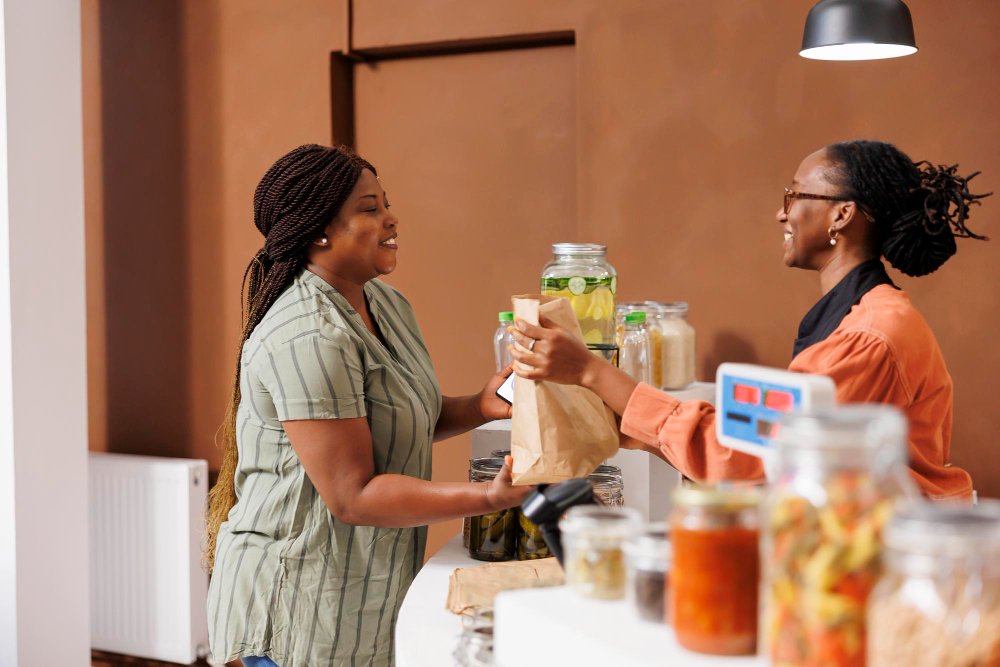
Food is one of the few things Nigerians will always spend money on. Whether the economy is doing well or people are trying to reduce their expenses, everyone still needs to eat. This constant demand makes the food industry one of the areas entrepreneurs can explore when looking for a business opportunity in Nigeria.
However, starting a food business does not automatically mean you will make money. The type of food you sell, your location, operating costs, pricing, customer base and ability to control waste can all determine whether the business succeeds or struggles.
If you are thinking about entering the food industry in 2026, here are 10 food businesses you can consider in Nigeria.
1. Restaurant Or Small Food Joint
Opening a restaurant or small food joint is one of the most obvious ways to enter the Nigerian food business. You can start with a small operation that serves a few popular meals instead of trying to offer an extremely large menu.
Depending on your target customers, you could sell rice, beans, yam, plantain, spaghetti, soups, swallow, chicken, fish and other popular Nigerian meals. A small food joint can target workers, students, residents, traders and other people who need affordable meals during the day.
You do not necessarily need a large restaurant to get started. A small, clean and well-managed food outlet in a location with steady foot traffic can serve as a starting point. You can also increase your revenue by offering takeaway and delivery services.
The major costs may include rent, cooking equipment, ingredients, staff, electricity, water, packaging and transportation. Before opening, calculate how much it costs to prepare each meal so you can set prices that cover your expenses and leave room for profit.
2. Food Delivery And Meal Preparation Business
Many people are busy and do not have the time to cook every day. This creates an opportunity for entrepreneurs who can prepare good meals and deliver them conveniently to customers.
You can operate a food delivery business from a home kitchen or a small commercial kitchen, depending on the scale of the operation. Instead of relying entirely on people walking into your shop, customers can order through WhatsApp, Instagram, your website or other available food delivery channels.
One way to make this business more predictable is to offer meal packages. For example, you could provide weekly or monthly meal plans for workers, students, families or businesses.
The important thing is to control your food and delivery costs. A meal that looks profitable on paper can become unprofitable if you spend too much on packaging, transportation, ingredients or discounts.
3. Snacks And Small Chops Business
Snacks and small chops are another food business that can be started on a relatively small scale. Products such as puff-puff, chin chin, meat pie, sausage rolls, samosa and spring rolls have a wide range of potential customers.
You can sell directly to consumers or supply offices, schools, shops, supermarkets and event planners. Small chops can also generate large orders because they are commonly served at parties, weddings, birthdays, meetings and other events.
One advantage of this business is that you can start from home before investing in a dedicated production space. As demand grows, you can improve your equipment, packaging and production capacity.
Good presentation can also make a difference. Instead of simply selling snacks in ordinary packaging, you can develop a recognizable brand and offer neatly packaged products for individuals, businesses and events.
4. Bread And Small-Scale Bakery Business
Bread is a regular food item in many Nigerian households, which makes baking another business opportunity worth considering. You do not have to compete with large industrial bakeries from day one.
A small bakery can focus on a specific neighbourhood and supply households, shops, supermarkets, restaurants and other businesses. You can also produce other baked products such as buns, doughnuts, cakes, meat pies and other pastries.
However, bakery businesses require careful cost management. Flour, sugar, yeast, packaging, labour, transportation and energy can significantly affect your expenses.
Before investing heavily in equipment, study your local market. Find out what customers buy, what competitors charge and whether nearby shops and retailers need another supplier.
5. Catering And Event Food Business
If you are good at cooking and organising food for large groups, catering can become a profitable business opportunity. Caterers provide meals for weddings, birthdays, corporate events, meetings, religious gatherings and other occasions.
You can begin by handling smaller events before taking on larger contracts. As your reputation grows, you can build a team and acquire the equipment needed to handle bigger orders.
One important part of catering is accurate costing. Before accepting an order, calculate the cost of ingredients, cooking, staff, transportation, serving equipment, packaging and other expenses.
A common mistake is to look only at the amount a client is paying without calculating the total cost of delivering the order. Proper costing helps you understand whether a contract will actually make financial sense.
6. Foodstuff Retail And Online Foodstuff Business
Selling foodstuff is another option for entrepreneurs who do not want to operate a restaurant. You can sell staples such as rice, beans, garri, yam, palm oil, vegetable oil, spices and other household food items.
The business can operate from a physical shop, market stall or even an online store. You can also buy food items in larger quantities and repackage them into smaller quantities that are convenient for households.
For example, instead of selling only large bags of rice, you could offer smaller branded packages for customers who cannot or do not want to buy in bulk.
You can also target restaurants and other food businesses that regularly purchase ingredients. Proper stock management is important because food prices can change and some products can deteriorate when stored incorrectly.
7. Frozen Foods Business
Frozen foods are widely used by households, restaurants and other food businesses. This creates opportunities for entrepreneurs who want to sell products such as frozen chicken, turkey, fish and seafood.
A frozen food business can start with a small shop and one or more freezers, depending on the available capital. You can sell directly to consumers or supply restaurants and food vendors.
The biggest issue to consider is storage. Frozen products require reliable cold storage, and interruptions in electricity can increase operating costs or lead to product losses.
Location also matters. A shop in an area with many households can serve individual customers, while a location close to restaurants and food businesses can provide opportunities for bulk sales.
8. Fruit Juice, Smoothies And Healthy Drinks Business
Drinks such as fruit juice, smoothies and zobo can also become a viable food business. You can sell directly to consumers or supply offices, restaurants, gyms, events and other businesses.
The business can be started on a small scale using basic equipment such as a blender, refrigerator and suitable packaging. As sales increase, you can introduce more products and improve your branding.
Packaging is particularly important because customers often judge drinks by their appearance before buying them. Clean bottles, clear labelling and proper storage can help create a more professional image.
Because fresh drinks can spoil quickly, you must also pay attention to production quantities and storage. Producing more than you can sell can turn potential revenue into waste.
9. Food Processing And Packaging Business
Instead of selling raw agricultural products, you can make money by processing them into products that are easier to store, transport and sell. This is known as value addition.
Examples include plantain chips, spices, flour, dried fruits, packaged garri and other processed food products. Depending on the product, you can sell through supermarkets, shops, distributors, online platforms and directly to consumers.
The major advantage is that you are creating a finished product rather than simply reselling a raw ingredient. Good branding and packaging can also allow a small food processor to build a recognizable consumer brand.
However, packaged food businesses need to pay close attention to food safety, labelling, packaging and applicable regulatory requirements. You should understand the requirements that apply to your particular product before launching commercially.
10. Poultry, Fish And Other Food Production Businesses
Food production is another area to consider if you have more capital, land or suitable facilities. Poultry farming, fish farming and egg production can provide food products that are sold to households, restaurants, retailers and other businesses.
For example, a poultry business can focus on eggs, meat birds or both. A fish farmer can raise fish for sale to consumers, restaurants, market traders and food processors.
However, these businesses come with production risks. Feed costs, disease, mortality, electricity, labour, transportation and changing market prices can all affect the final result.
For this reason, anyone entering livestock or fish production should understand the business before investing heavily. Starting with a manageable number of birds or fish can allow you to learn the process and understand your costs before expanding.
How To Choose The Right Food Business For You
There is no single food business that is suitable for every entrepreneur. Your choice should depend on your available capital, skills, location, target customers and how much time you can dedicate to the business.
Start by asking yourself what people around you regularly buy. If you live near offices, meal delivery or a small food joint may make sense, while an area with many families may provide opportunities for foodstuff, frozen foods or ready-to-eat meals.
You should also consider your preferred business model. Some people may prefer selling directly to consumers every day, while others may prefer supplying shops, restaurants and events.
Most importantly, do not spend all your money before testing the market. Starting small can help you learn what customers want and identify problems before you commit more capital.
How To Make A Food Business Profitable In Nigeria
Starting a food business is only the beginning. You also need to manage the business properly if you want it to remain profitable.
1. Know Your Exact Costs
Know how much you spend on ingredients, packaging, transportation, labour, electricity, rent and other expenses. Without knowing your costs, it is difficult to know whether you are actually making money.
2. Control Food Waste
Food that gets spoiled or thrown away is money lost. Buy stock according to your expected sales and develop a system for storing and using ingredients properly.
3. Price Your Products Correctly
Do not set your prices simply because competitors are charging a particular amount. Calculate your own costs first and then determine a price that allows the business to cover its expenses.
4. Build A Recognisable Brand
Good food is important, but customers also remember businesses that provide consistent quality and good service. A clear business name, attractive packaging, clean presentation and reliable customer service can help you stand out.
5. Use Social Media
Platforms such as WhatsApp, Instagram, Facebook and TikTok can help food businesses reach customers without relying entirely on physical advertising. Post clear pictures and videos of your products, provide accurate prices and make it easy for customers to place orders.
6. Focus On Repeat Customers
A customer who buys from you regularly can be more valuable than someone who makes a single purchase. Give customers reasons to return by maintaining quality, being reliable and providing good service.
7. Keep Proper Records
Record your daily sales, expenses, stock purchases and other financial transactions. These records can show you which products are selling well and where your money is going.
Common Mistakes To Avoid When Starting A Food Business
One common mistake is starting without researching the market. You may have a product you like, but that does not necessarily mean enough people in your area are willing to pay for it.
Another mistake is underpricing products. Some entrepreneurs reduce their prices simply to attract customers without considering the actual cost of producing the food.
Poor hygiene can also damage a food business very quickly. Customers expect food businesses to maintain clean cooking, storage, serving and packaging practices.
You should also avoid mixing personal money with business money. If all the money entering the business is immediately used for personal expenses, it becomes difficult to know whether the business is growing.
Finally, avoid expanding too quickly. It is usually better to understand your customers, costs and operations at a smaller scale before taking on major expenses.
How Much Money Do You Need To Start A Food Business In Nigeria?
There is no fixed amount required to start a food business because costs vary significantly depending on the type of business, location and scale.
Some businesses can be started from home with basic equipment and a small amount of stock. Others, such as restaurants, bakeries, frozen food shops and food-processing businesses, may require significantly more money because of equipment, rent, electricity, storage and other operating costs.
Instead of asking only how much money you need, prepare a simple startup budget. List everything you need to buy, estimate your monthly operating expenses and determine how many products you need to sell to cover your costs.
This approach gives you a clearer picture of what you can realistically afford and helps prevent you from spending too much money before the business starts generating revenue.
Conclusion
Nigeria’s food industry offers opportunities for entrepreneurs with different levels of capital. You can start with a small snacks business from home, sell meals to workers, open a foodstuff shop, provide catering services or build a larger food production business as your resources grow.
The most important thing is not simply choosing a business from a list. Study your market, understand what customers want, calculate your costs and start at a level you can manage.
A profitable food business is built through good products, proper pricing, cost control, consistent quality and strong customer relationships. If you get these fundamentals right, a small food business can become the foundation for a much larger company over time.