
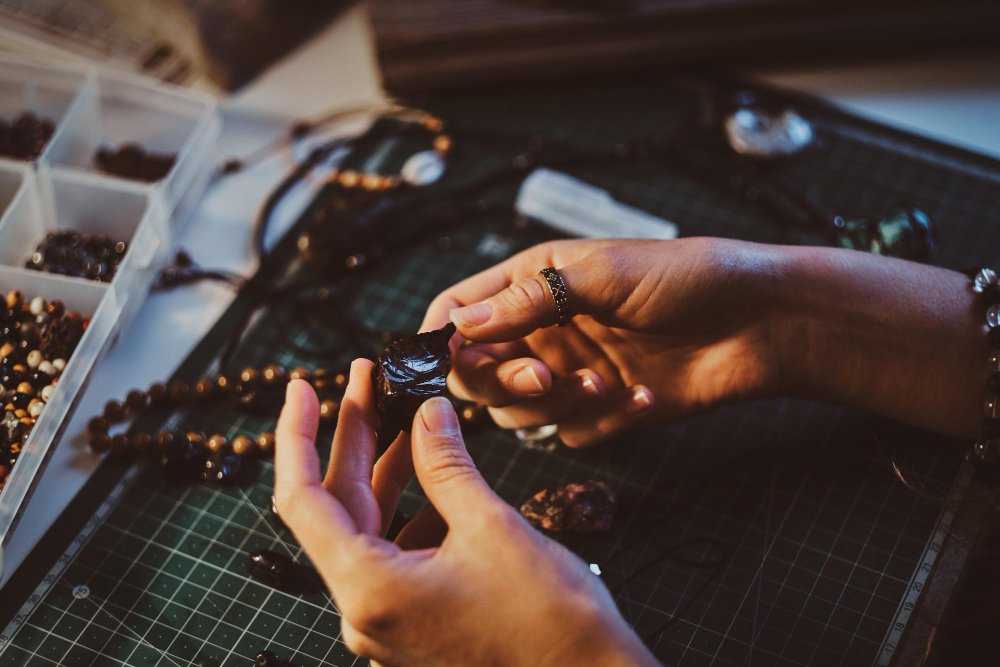
The handmade jewelry and accessories market is competitive, and creating beautiful products is not always enough to attract customers. You also need a brand that people can recognise, trust, and remember.
Whether you make beaded bracelets, handmade necklaces, earrings, hair accessories, or personalised jewelry, effective branding can help you stand out from competitors and attract customers who appreciate your work. Here are seven practical branding tips to help you build a recognisable handmade jewelry and accessories brand.
1. Define Your Brand Identity and Target Customer
Before choosing colours, designing a logo, or creating social media pages, decide what your brand represents and who you want to sell to. Your brand identity should reflect the personality of your business, the products you make, and the customers you want to attract.
For example, a business selling gold-plated necklaces and elegant earrings to working professionals may need a different identity from one selling colourful beaded bracelets to students and young adults. One may use a minimalist design with neutral colours, while the other may benefit from brighter colours and playful visuals.
Think about your ideal customers, including their ages, interests, budgets, fashion preferences, and reasons for buying handmade accessories. Are they shopping for everyday wear, special occasions, personalised gifts, or luxury-inspired pieces?
Once you understand your audience, develop a clear brand message that explains what makes your products special. This could be your attention to detail, locally sourced materials, cultural inspiration, or ability to create personalised designs.
A well-defined identity helps you make consistent decisions about your products, packaging, pricing, and marketing.
2. Create a Memorable Brand Name and Logo
Your brand name and logo are often the first things potential customers notice. A good name makes your business easier to remember, while a recognisable logo helps customers identify your products across different platforms.
Choose a name that is easy to pronounce, spell, and remember. It should also fit the personality of your business. For instance, a brand specialising in elegant handmade jewelry may benefit from a refined name, while a business selling colourful, playful accessories can choose something more expressive.
Before settling on a name, check whether another business is already using it. Look for available website domains and social media usernames, and check relevant trademark registers to reduce the risk of legal disputes.
Your logo should be simple enough to work on product tags, packaging, business cards, and social media profile pictures. You do not need an expensive design to get started. Tools such as Canva can help you create a professional-looking logo, although hiring a designer may be worthwhile as your business grows.
Choose a small set of brand colours and fonts, then use them consistently across your marketing materials. This visual consistency makes your business look more professional and helps customers recognise it more easily.
3. Develop a Signature Style for Your Products
One of the strongest ways to build a memorable handmade jewelry brand is to develop a distinctive product style. Customers should gradually learn to recognise your work, even before they see your brand name.
Start by identifying the materials, colours, patterns, shapes, and techniques that best represent your business. For example, you might specialise in colourful African-inspired beadwork, minimalist wire-wrapped jewelry, personalised name necklaces, or handmade accessories made from recycled materials.
You do not have to make every product look identical. However, your collections should have a clear connection that reflects your brand identity.
Consider developing signature designs that customers can associate with your business. You could use a particular bead combination, distinctive pendant shape, recognisable colour palette, or unique finishing technique.
It is also important to balance creativity with consistency. Following every popular trend may bring short-term attention, but it can make your brand difficult to distinguish from competitors. Instead, adapt relevant trends to your existing style.
Pay attention to product quality, too. Consistent finishing, secure clasps, comfortable fittings, and durable materials help customers associate your brand with reliability.
Your signature style should communicate what makes your products different and give customers a reason to choose your work over similar alternatives.
4. Invest in Professional Product Photography
Customers shopping online cannot touch your jewelry, examine its weight, or see its details in person. Your product photographs must therefore communicate quality, appearance, and important product information clearly.
You do not necessarily need an expensive camera. A smartphone with a good camera, natural lighting, and a clean background can produce excellent results.
Photograph your products near a window where natural light is available, avoiding harsh direct sunlight that creates distracting shadows. Use simple backgrounds that complement your jewelry rather than competing with it.
Take several photographs of each product. Include a clear front view, close-up shots of important details, and an image showing the accessory being worn. Lifestyle photographs can help customers understand the product’s size, appearance, and how it might fit into their wardrobe.
For handmade jewelry, details matter. Show the quality of the beads, metalwork, stitching, clasps, and other finishing elements that distinguish your products.
Keep your photography style consistent across your website and social media pages. Similar lighting, backgrounds, and editing styles can make your brand look more organised and professional.
Finally, avoid editing photographs so heavily that the product appears different from what customers receive. Accurate photographs help set realistic expectations, reduce disappointment, and build trust.
5. Use Packaging to Create a Memorable Customer Experience
Packaging is more than a way to protect handmade jewelry during delivery. It is also an opportunity to reinforce your brand identity and make customers feel that their purchase is special.
Start with packaging that suits your products and budget. Depending on your brand, you might use jewelry cards, small boxes, fabric pouches, branded envelopes, or protective wrapping. The most expensive packaging is not necessarily the best choice. What matters is that it protects the product and reflects your brand.
Add small branded details where practical. A logo on the jewelry card, a thank-you note, or a simple care instruction card can make the experience feel more thoughtful.
For example, a care card might explain how to store the jewelry, avoid unnecessary contact with water or chemicals, and clean the material safely. This gives customers useful information while demonstrating that you care about the products after the sale.
If you sell personalized gifts, consider offering gift-ready packaging as an additional service. This can make your products more attractive to customers shopping for birthdays, anniversaries, weddings, and other special occasions.
Keep your packaging consistent with your overall brand identity. A minimalist brand might choose simple, elegant packaging, while a colourful accessories business could use brighter designs.
Remember that packaging costs affect your profit margin. Choose materials that create a positive experience without making every order unnecessarily expensive.
6. Tell the Story Behind Your Handmade Products
People often buy handmade jewelry for more than its appearance. They may appreciate the creativity, personal effort, cultural inspiration, or craftsmanship behind each piece.
Your brand story helps customers understand the person and purpose behind the products. It also gives them a reason to connect with your business beyond price.
Explain why you started making jewelry, what inspires your designs, and what makes your production process distinctive. If you use locally sourced materials, traditional techniques, or environmentally responsible materials, explain these practices accurately.
You can share your story through your website’s About page, social media captions, product descriptions, and short videos showing how your products are made.
For instance, instead of describing a bracelet simply as a handmade beaded bracelet, explain the colours, materials, design inspiration, and occasions for which it may be suitable. Where relevant, describe the time and skill involved in creating it.
Behind-the-scenes content can also make your brand more relatable. Show yourself selecting materials, arranging beads, assembling pieces, checking product quality, or packaging completed orders.
However, storytelling should be honest. Avoid exaggerating the time required to make a product, claiming materials are sustainable without evidence, or inventing cultural connections to make a design seem more valuable.
A genuine story gives customers a clearer understanding of your work and helps them appreciate the value of buying from an independent maker.
7. Build a Consistent Social Media Presence
Social media gives handmade jewelry and accessories businesses an affordable way to showcase products, connect with potential customers, and build brand recognition.
Choose platforms that suit your audience and the type of content you create. Instagram and TikTok can be useful for visual demonstrations and short videos, while Pinterest can help people discover styling ideas, gift inspiration, and product collections. Facebook may also be valuable for community engagement and local sales.
You do not need to be active on every platform. It is better to maintain a few channels consistently than to create several accounts that remain inactive.
Develop a simple content plan that combines product promotion with useful and engaging content. You could share styling tips, behind-the-scenes videos, new product launches, customer reviews, gift recommendations, and demonstrations of how to care for handmade jewelry.
Maintain consistent branding across your profiles. Use the same logo, brand colours, business description, and contact details wherever possible. Your profile should also make it easy for interested customers to find prices, place orders, and ask questions.
Consistency also applies to your communication. Use a tone of voice that reflects your brand personality, whether friendly, elegant, playful, or professional.
Encourage satisfied customers to share photographs of their purchases and leave reviews, with their permission. Customer-generated content can provide social proof and help potential buyers feel more confident about ordering from your business.
Most importantly, make your social media presence useful to customers rather than treating every post as a sales announcement. Helpful content gives people a reason to follow your brand even when they are not ready to buy.
Conclusion
Building a successful handmade jewelry and accessories brand requires more than creating attractive products. You need a clear identity, a memorable name, a distinctive product style, quality photographs, thoughtful packaging, an authentic story, and a consistent social media presence.
These elements work together to help customers recognise your business, understand the value of your products, and develop confidence in buying from you.
You do not need to implement every improvement at once. Start by defining your target customer and refining your brand identity. Then improve your product photographs, packaging, and online presence as your business grows.
The goal is to build a brand that customers remember, trust, and want to buy from again. When your products and customer experience consistently reflect what your brand promises, you give people stronger reasons to choose your handmade jewelry and recommend it to others.