
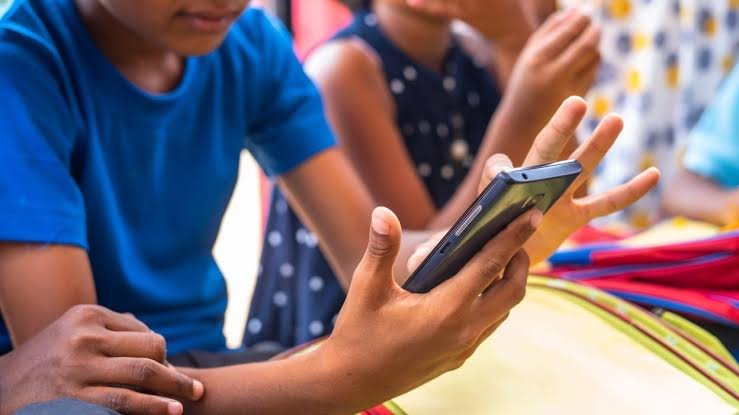
Governments around the world are taking a much tougher approach to children’s use of social media. In the past, many countries focused on educating parents and encouraging technology companies to make their platforms safer. Today, many governments believe that approach is no longer enough.
Several countries have already passed laws or announced plans to limit or completely ban social media for children below a certain age. Their goal is to protect young people from online dangers such as addiction, cyberbullying, harmful content, online predators and mental health problems.
At the same time, these new laws have started an important global debate. Some people believe stronger rules are necessary to protect children, while others argue that banning social media may create new problems related to privacy, freedom and internet access.
If you have been hearing about countries introducing social media bans for children, here is everything you need to know.
Why Are Countries Restricting Social Media for Children?
The biggest reason is concern about children’s health and wellbeing.
Many studies have found that spending too much time on social media can affect children’s mental health. Young people who spend several hours each day on social media may be more likely to experience anxiety, depression, poor sleep, low self esteem and difficulty concentrating.
Governments are also worried about cyberbullying, where children are insulted, threatened or harassed online. Unlike bullying at school, online bullying can continue at any time of the day and often reaches a much larger audience.
Another concern is the amount of harmful content that children may see online. Social media platforms contain millions of videos, images and posts, and not all of them are suitable for young users. Children may be exposed to violence, dangerous challenges, misinformation or other content that can negatively influence them.
Online predators are another major concern. Many governments believe stronger age restrictions could reduce the chances of children interacting with strangers who may intend to harm them.
How Are Countries Enforcing These Rules?
Different countries are taking different approaches.
Some governments want to completely ban children below a certain age from creating social media accounts.
Others want parents to approve or manage their children’s accounts.
Some countries are introducing stronger age verification systems so that platforms cannot simply accept a user’s date of birth without checking whether it is accurate.
In many cases, technology companies themselves will be responsible for making sure children cannot easily bypass the rules.
Companies that fail to follow the law could face very large financial penalties.
Australia Led the Way
Australia became the first country to introduce a nationwide social media ban for children under the age of 16.
The law applies to many of the world’s biggest platforms, including Facebook, Instagram, TikTok, Snapchat, X, Threads, Reddit, Twitch and several others.
Technology companies are expected to verify users’ ages using reliable methods instead of simply asking users to enter their birthday.
If companies fail to prevent underage access, they can face heavy financial penalties.
Australia’s decision has become one of the biggest reasons other countries are now considering similar laws.
Vietnam Is Taking a Different Approach
Vietnam has proposed one of the most unique ideas so far.
Instead of completely removing children from social media, the country wants children under the age of 16 to keep their accounts while limiting what they can do.
Under the proposal, children would still be able to view content but would not be allowed to post, comment or react to posts.
Parents would also be required to register and supervise their children’s accounts. Social media companies would have to identify younger users and make sure they only see content that is suitable for their age.
Although the proposal has not yet become law, it shows that governments are exploring different ways to improve online safety without completely removing children from digital spaces.
Other Countries Are Following
Australia is no longer alone.
France has approved restrictions that prevent children under 15 from using social media. The country is also expanding rules that limit the use of mobile phones in schools.
The United Kingdom has announced plans to introduce restrictions for children under 16 across major social media platforms. The government is also considering tighter rules for certain artificial intelligence tools used by children.
Canada has introduced legislation that could prevent children under 16 from using social media unless companies can prove they have effective systems to protect young users.
Countries including Austria, Denmark, Germany, Greece, Indonesia, Malaysia, Poland, Slovenia, Spain and Turkey have also announced proposals or are preparing legislation that would introduce similar restrictions.
Although the exact rules differ from one country to another, the overall direction is becoming increasingly clear.
Why Social Media Companies Are Concerned
Technology companies recognise that protecting children is important.
However, many of them have raised concerns about how these new laws will work in practice.
One challenge is age verification.
To confirm someone’s age, platforms may need to collect additional personal information. Some critics argue that this could create new privacy risks because companies would need to store even more sensitive data.
Another concern is enforcement.
Children often find creative ways to bypass restrictions by using someone else’s account or providing false information. Companies may therefore need more advanced technology to verify users’ ages without collecting excessive personal data.
Critics Say Bans May Not Solve the Problem
Not everyone agrees that banning social media is the best solution.
Some experts believe children should instead be taught how to use social media safely rather than being prevented from using it completely.
Others argue that social media also provides important benefits.
Many young people use these platforms to communicate with friends, learn new skills, access educational content and express their creativity.
Critics also worry that strict bans may simply push children toward less regulated websites or encourage them to hide their online activities from parents.
Because of these concerns, many experts believe education, digital literacy and parental involvement should remain an important part of any solution.
What This Means for Parents
Parents are likely to play a much bigger role in how children use social media in the coming years.
Several proposed laws require parents to register, monitor or approve their children’s online accounts.
This means parents may need to spend more time discussing internet safety, setting healthy screen time limits and helping children understand responsible online behaviour.
Technology alone cannot replace regular conversations between parents and children about the benefits and risks of social media.
What This Means for Social Media Companies
If these laws continue spreading, social media companies may need to redesign many parts of their platforms.
They could invest more in age verification systems, stronger parental controls and safer recommendation algorithms for younger users.
Companies may also need to remove certain features that encourage excessive screen time among children, such as endless scrolling, autoplay videos and constant notifications.
The way social media platforms are designed today could look very different over the next few years as governments introduce stricter regulations.
Could More Countries Join?
Very likely.
As more governments study the effects of social media on children, additional countries may introduce similar laws or adapt existing ones.
Many governments are watching the early results from countries such as Australia before deciding exactly what approach to take.
If those laws are considered successful, they could encourage even more countries to introduce their own restrictions.
The Bottom Line
The growing number of countries banning or restricting social media for children shows that governments are becoming increasingly concerned about how digital platforms affect young people’s lives. While each country is taking a slightly different approach, the overall goal is the same, to create a safer online environment where children are better protected from addiction, cyberbullying, harmful content and other online risks.
At the same time, the debate is far from over. Supporters believe stronger rules are necessary to protect children, while critics argue that education, responsible parenting and better platform design may be more effective than outright bans. Questions about privacy, age verification and personal freedom also remain unresolved.
What is clear is that the relationship between children and social media is entering a new era. As more countries introduce new laws and technology companies adapt to changing regulations, parents, schools and platform operators will all have an important role in helping young people enjoy the benefits of the internet while reducing its risks.