
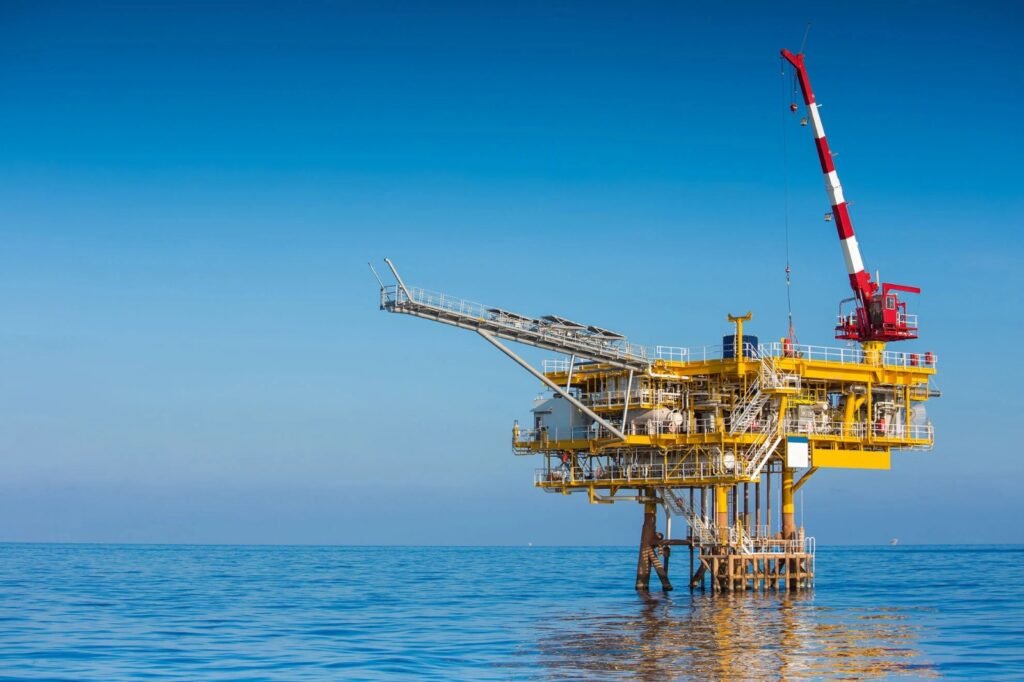
The oil and gas industry remains one of the most profitable sectors in Nigeria. Every day, millions of homes, businesses and industries depend on products such as petrol, diesel, lubricants and cooking gas.
While many people believe the industry is only for large corporations, the truth is that there are many profitable opportunities for entrepreneurs who understand the market and are willing to start the right way.
In this ultimate guide, you will learn how to start a business in the oil and gas sector in Nigeria from scratch. We will explain how the industry works, how to choose the right business idea, register your business, obtain the necessary licences, raise capital and grow a profitable company.
Step 1: Understand the Oil and Gas Sector
Before you start a business in the oil and gas sector in Nigeria, you need to understand how the industry works. The sector is divided into three main parts: upstream, midstream and downstream. Knowing the difference will help you choose the right business opportunity and avoid investing in an area that does not match your budget or experience.
The upstream sector focuses on exploring and producing crude oil and natural gas. The midstream sector handles the transportation, storage and processing of these resources. The downstream sector involves refining crude oil and selling finished products such as petrol, diesel, kerosene, aviation fuel, lubricants and cooking gas to businesses and consumers.
For most new entrepreneurs, the downstream sector is the best place to start. It requires less capital than oil exploration and offers many business opportunities with steady demand. Examples include LPG distribution, lubricant sales, diesel supply, petrol stations and fuel retail. Understanding where each business fits will help you make smarter decisions from the beginning.
Step 2: Choose a Profitable Oil and Gas Business Idea
Choosing the right business idea is one of the most important decisions you will make. Nigeria’s oil and gas industry offers many opportunities, but each requires a different level of investment, experience and technical knowledge. Select a business that matches your budget, skills and long-term goals.
Some of the most popular businesses include oil marketing, LPG (cooking gas) distribution, diesel supply, lubricant distribution, haulage and petroleum logistics, oilfield services, equipment supply and engineering or maintenance services. While some of these businesses require significant capital, others can be started on a much smaller scale and expanded over time.
Do not choose a business simply because someone else is making money from it. Instead, consider the demand in your area, the competition, the required licences and your ability to manage the business successfully. Starting with a business you understand will increase your chances of building a profitable and sustainable company.
Step 3: Conduct Market Research and Prepare a Business Plan
Before investing your money, take time to study the market. Find out who your customers will be, what products or services they need and how much they are willing to pay. Your target market may include households, factories, transport companies, construction firms, hotels, hospitals or manufacturing businesses, depending on the type of oil and gas business you choose.
You should also study your competitors. Learn what they do well, where they fall short and how you can offer something better. This research will help you identify opportunities that others may have overlooked and reduce the risk of entering an overcrowded market.
Once your research is complete, prepare a detailed business plan. It should include your business goals, startup costs, expected income, marketing strategy, operational plan and financial projections. A good business plan keeps you focused and also makes it easier to secure funding from banks, investors or government programmes.
Step 4: Register Your Business and Obtain the Required Licences
To operate legally, you must register your business with the Corporate Affairs Commission (CAC). Registration gives your business legal recognition and makes it easier to open a corporate bank account, access funding and build trust with customers and business partners.
Depending on the type of oil and gas business you want to start, you may also need licences and permits from the relevant government authorities. The exact requirements differ for businesses such as LPG plants, petrol stations, lubricant distribution or petroleum product supply. Always confirm the specific approvals needed before you begin operations to avoid penalties or business closure.
You should also register for taxes and ensure your business complies with all applicable tax laws. In addition, obtain suitable business insurance to protect your assets, employees and operations against unexpected risks such as accidents, fire or property damage. Staying compliant from the beginning will save you from costly legal problems later.
Step 5: Raise Capital for Your Business
The amount of money you need depends on the type of oil and gas business you want to start. Some businesses, such as lubricant distribution or diesel supply, can be started with relatively moderate capital, while petrol stations, LPG plants and large logistics companies require much bigger investments.
Many entrepreneurs start with personal savings because it gives them full ownership of the business. If you need more capital, you can apply for bank loans, partner with investors or raise funds through business partnerships. You may also qualify for government intervention funds or development finance programmes that support businesses in strategic sectors.
If your business requires expensive equipment, equipment financing can help you spread the cost instead of paying everything upfront. Whatever funding option you choose, avoid borrowing more than your business can comfortably repay. A realistic financial plan will help your oil and gas business remain stable and profitable from the start.
Step 6: Secure a Suitable Location and Infrastructure
Choosing the right location can determine whether your oil and gas business succeeds or struggles. Your location should be close to your target customers while remaining easy to access for suppliers and delivery vehicles. It should also comply with government zoning and safety regulations.
The equipment you need depends on your type of business. For example, an LPG business requires storage tanks, cylinders and filling equipment, while a lubricant business may only need storage shelves, delivery vehicles and a warehouse. Buy quality equipment that meets industry standards to reduce maintenance costs and improve safety.
You should also have proper storage facilities to prevent accidents and product damage. If your business involves transporting petroleum products, invest in reliable logistics or work with trusted transport companies. Good infrastructure helps your business operate safely, efficiently and without unnecessary delays.
Step 7: Build Relationships with Suppliers and Industry Partners
A successful oil and gas business depends on reliable suppliers. Buy petroleum products only from licensed suppliers, depots or authorised distributors. This helps you maintain product quality, avoid legal problems and protect your business reputation.
Build strong relationships with your suppliers by making payments on time and communicating clearly. Good supplier relationships often lead to better prices, faster deliveries and priority access during periods of product shortages. These advantages can give your business an edge over competitors.
You should also connect with other businesses in the industry. Join recognised industry associations, attend conferences and participate in business events. Networking can introduce you to new customers, business partners and opportunities that may not be publicly advertised.
Step 8: Hire Skilled Employees and Implement Safety Standards
Your employees play a major role in the success of your business. Hire people with the right skills, experience and attitude for their roles. Depending on your business, you may need managers, technicians, sales staff, drivers, accountants or safety officers.
Safety should never be treated as an option in the oil and gas sector. Establish clear Health, Safety and Environment (HSE) procedures and ensure every employee understands them. Regular training helps workers identify risks and respond correctly during emergencies.
Your business should also have an emergency response plan. Employees should know what to do in the event of a fire, fuel spill, gas leak or other accident. Preparing for emergencies before they happen can protect lives, reduce damage and keep your business compliant with industry regulations.
Step 9: Launch and Market Your Oil and Gas Business
After completing the setup, it is time to introduce your business to the market. Create a professional business name, logo and brand identity that customers can easily recognise and trust. A strong brand makes your business look more credible and helps you stand out from competitors.
Use both online and offline marketing to reach customers. Build a professional website, optimise it for search engines, stay active on social media and list your business on Google Business Profile. You should also network with companies, contractors and organisations that regularly purchase petroleum products or related services.
Focus on keeping your existing customers happy. Deliver quality products, provide excellent customer service and fulfil orders on time. Satisfied customers are more likely to return and recommend your business to others, helping you grow through referrals.
Step 10: Scale and Grow Your Business
Once your business becomes stable, start looking for ways to grow. You can increase your income by adding new products or services that meet the needs of your existing customers. Expanding gradually is often safer than growing too quickly.
Invest in technology that improves efficiency and reduces operating costs. Accounting software, inventory management systems, digital payment solutions and customer management tools can make daily operations faster and more organised. Better systems also help you make informed business decisions.
As your customer base grows, consider expanding into new cities or states with strong demand for your products or services. Before opening another branch, make sure your current business is running efficiently and generating consistent profits. Sustainable growth is built on strong systems, not rapid expansion alone.
How Much Does It Cost to Start an Oil and Gas Business in Nigeria?
Small businesses such as lubricant distribution or diesel supply may require ₦2 million to ₦20 million, while LPG plants, petrol stations and large petroleum logistics businesses can cost tens or even hundreds of millions of naira.
Your startup cost will mainly depend on licences, equipment, storage facilities, location, vehicles, inventory and working capital. Before investing, prepare a realistic budget so you have enough funds to launch and sustain your business.
Conclusion
Nigeria has one of the largest proven natural gas reserves in the world, yet domestic gas consumption is still expanding as more households, businesses and industries move from traditional fuels to LPG and other cleaner energy solutions. This means many of tomorrow’s biggest business opportunities may come from gas distribution, energy logistics, storage infrastructure and value-added services rather than fuel trading alone.
Another advantage that many entrepreneurs overlook is the power of long-term business relationships. In the oil and gas industry, companies rarely change suppliers simply because another business offers a slightly lower price. Reliability, product quality, timely delivery and regulatory compliance often matter more than price.
Once you build a strong reputation, customers are more likely to sign long-term supply agreements that provide stable revenue and make future expansion much easier.