
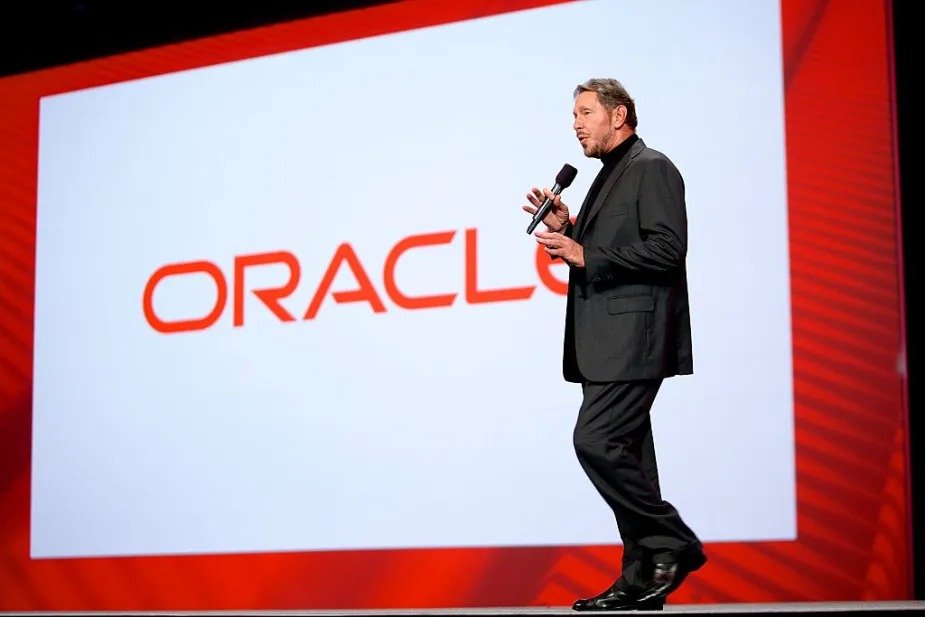
Larry Ellison, the co-founder and executive chairman of Oracle, has suddenly cancelled a plan that could have allowed him to sell up to 50 million Oracle shares worth about $7.5 billion.
The decision came just one day after details of the planned sale became public. What makes the story even more interesting is that Ellison did not sell any shares under the plan before cancelling it, and Oracle says he currently has no other plans to sell his shares.
The announcement comes at an important time for Oracle. The company is spending huge amounts of money to build data centres for artificial intelligence, while investors are becoming increasingly concerned about its debt, spending and cash flow. Oracle shares are also down significantly this year, making Ellison’s decision to cancel the planned sale a major talking point for investors.
What Exactly Happened?
Oracle announced on September 12 that Larry Ellison had cancelled a special trading plan that would have allowed him to sell up to 50 million Oracle shares.
The plan was created on June 22, 2026, and was scheduled to remain in place until October 24. Based on Oracle’s share price at the time of the latest reports, the 50 million shares were worth about $7.5 billion.
However, Ellison never sold any of the shares.
Oracle made this very clear in its announcement, saying that no Oracle stock was sold under the plan and that Ellison has no other plans to sell any of his Oracle stock.
This means the headline is not about Larry Ellison actually selling $7.5 billion worth of Oracle shares. Instead, he had permission to sell that amount of stock under a pre-arranged plan, but he cancelled the plan before making any sales.
Why Did Larry Ellison Cancel the $7.5 Billion Stock Sale?
This is where the story gets interesting.
Oracle has not publicly explained why Ellison cancelled the plan. That means it would be wrong to say that he cancelled it because he thinks Oracle shares are cheap, because he expects the stock to rise, or because he suddenly changed his mind about the company. Those are possible interpretations, but they have not been confirmed by Oracle or Ellison.
Some investors may see the cancellation as a positive sign because Ellison is one of the most important people connected to Oracle. If someone who owns a very large part of a company decides not to sell billions of dollars of shares, investors may naturally wonder whether that person has strong confidence in the company’s future.
But it is important not to read too much into the decision. Ellison’s personal financial plans can depend on many things that have nothing to do with whether he thinks Oracle’s stock will rise or fall.
For now, the only confirmed facts are that the plan was cancelled, no shares were sold under it, and Ellison has no other plans to sell his Oracle shares.
What Is a 10b5-1 Trading Plan?
The term “10b5-1 plan” may sound complicated, but the basic idea is simple.
A 10b5-1 trading plan is a pre-arranged plan that allows a company executive or major shareholder to buy or sell shares according to rules that were set in advance. The purpose is to allow the person to trade without making the decision at the exact moment they may have important private information about the company.
In Ellison’s case, the plan would have allowed him to sell up to 50 million Oracle shares under predetermined conditions. The plan was adopted months before Oracle announced its latest results and before the company publicly disclosed the details of the proposed sale.
These plans are commonly used by executives and other insiders who own large amounts of company stock. They can help reduce concerns that an executive is buying or selling shares because they know something important that ordinary investors do not know.
The existence of a 10b5-1 plan does not mean that all the shares must be sold. In this case, Ellison cancelled the plan before any Oracle shares were sold.
Why Is Larry Ellison’s Oracle Stake So Important?
Larry Ellison is not an ordinary Oracle shareholder.
He co-founded Oracle in 1977 and remains one of the most important figures in the company’s history. He is also Oracle’s executive chairman and chief technology officer, and he remains the company’s largest shareholder, with more than 38% of Oracle according to LSEG data cited by Reuters.
Because Ellison owns such a large percentage of Oracle, any major change in his ownership can attract serious attention from investors.
If he had sold 50 million shares, it would have been a very large transaction. It would not necessarily have meant that something was wrong with Oracle, but investors would have wanted to understand why one of the company’s biggest shareholders was reducing his stake.
His decision not to sell removes that immediate concern.
It also means Ellison will continue to hold his large position in Oracle while the company works through one of the biggest changes in its history.
Oracle Is Spending Billions on Artificial Intelligence
The timing of the story is particularly important because Oracle is currently spending enormous amounts of money to take advantage of the artificial intelligence boom.
Oracle has traditionally been known for its business software and databases. However, the company is now becoming a major provider of cloud computing and data centre infrastructure for AI companies.
This requires huge investments.
Oracle spent $28.5 billion on capital expenditure in its latest quarter, a massive increase from the $8.5 billion it spent during the same period a year earlier. The company is using this money to build data centres and other infrastructure that can support the growing demand for AI computing.
The strategy is already producing strong growth. Oracle’s infrastructure cloud business generated about $7.4 billion in the latest quarter, while the company has also reported a huge pipeline of future contracts linked to its cloud and AI business.
But there is a major problem.
Building so many data centres costs a huge amount of money before the company receives all the benefits from those investments. This has put pressure on Oracle’s free cash flow and forced the company to rely heavily on debt and other sources of financing.
Oracle’s Stock Has Fallen Sharply
Investors have become worried about how much Oracle is spending to chase the AI opportunity.
According to Reuters, Oracle shares were down nearly 23% for the year as of September 12. The company has been producing strong business results, but investors remain concerned about the amount of money being spent on new infrastructure and how quickly those investments will generate enough cash.
This creates an unusual situation.
Oracle is benefiting from huge demand for AI infrastructure, but it also needs to spend huge amounts of money to serve that demand. The company can win large contracts and still face pressure on its cash flow because building the infrastructure needed to fulfil those contracts is extremely expensive.
That is one of the biggest issues investors are watching right now.
Oracle Just Reported Strong Results
Despite these concerns, Oracle’s latest financial results were not bad.
The company reported quarterly results that beat Wall Street’s expectations and showed a smaller cash burn than some investors had feared. The results initially helped Oracle’s stock rise, although concerns about future cash flow quickly returned.
Oracle is therefore facing two very different stories at the same time.
On one side, demand for its cloud and AI infrastructure is growing rapidly. On the other side, the company needs to spend a huge amount of money to build the infrastructure required to meet that demand.
Investors are now trying to decide whether Oracle’s AI spending will eventually produce enough profit and cash to justify the enormous cost.
Oracle Is Also Cutting Jobs
Oracle is trying to control its costs while spending heavily on AI infrastructure.
The company has announced restructuring plans that include job cuts. It also said restructuring costs will be about $700 million higher than previously expected, increasing the total cost connected to the workforce reduction to about $2.8 billion.
This shows the pressure Oracle is facing.
The company wants to spend aggressively in areas where it expects strong future growth, especially AI and cloud computing. At the same time, it needs to find ways to reduce other costs so that it can manage its cash more effectively.
That balance will be extremely important for Oracle over the next few years.
Does Ellison’s Decision Mean Oracle Stock Will Rise?
Not necessarily.
It may be tempting to see Ellison cancelling a $7.5 billion stock sale and conclude that Oracle’s stock is about to rise. After all, if the company’s co-founder and largest shareholder is choosing to keep his shares, perhaps he believes the company has a strong future.
But investors should be careful with that conclusion.
Oracle has not said why Ellison cancelled the plan. There could be personal, financial, tax or other reasons behind the decision that have nothing to do with his view of Oracle’s share price.
The cancellation is therefore interesting, but it should not be treated as a guaranteed signal that Oracle stock will go up.
What This Means for Oracle Investors
For Oracle investors, the immediate impact is that there is no longer a planned sale of up to 50 million shares by one of the company’s largest shareholders.
That matters because a large insider sale can sometimes create concerns among investors, particularly when the company is already dealing with questions about its financial position. With Ellison no longer planning to sell under this arrangement, that potential source of selling pressure has disappeared for now.
However, the bigger issues facing Oracle have not disappeared.
The company still has to prove that its enormous AI investments can generate enough revenue and cash to justify the spending. It also has to manage its debt, continue growing its cloud business and deal with the costs of its restructuring.
Those factors are likely to matter much more to Oracle’s long-term value than one cancelled stock sale.
The Bigger Story Behind Larry Ellison’s Decision
Larry Ellison’s cancelled stock sale comes at a time when Oracle is trying to transform itself into one of the biggest companies powering the AI industry.
Oracle is no longer simply competing in the traditional software market. It is spending billions of dollars building data centres and cloud infrastructure for companies that need enormous amounts of computing power for artificial intelligence.
That opportunity could become extremely valuable if AI demand continues growing rapidly.
However, the company has to spend the money today and wait for the full financial benefits to arrive later. That is why investors are paying close attention to Oracle’s cash flow, debt and spending plans even when its revenue and AI contracts look strong.
Ellison’s decision to keep his Oracle shares therefore adds another interesting detail to a much bigger story.
The Bottom Line
Larry Ellison has cancelled a plan that could have allowed him to sell up to 50 million Oracle shares worth about $7.5 billion. No shares were sold under the plan, and Oracle says Ellison currently has no other plans to sell his Oracle stock.
The company has not explained why he cancelled the plan, so investors should be careful about assuming that the decision means Ellison expects Oracle stock to rise. There may be many reasons behind the decision that are not public.
What makes the story important is the timing. Oracle is spending tens of billions of dollars building AI infrastructure, its stock has fallen sharply this year, and investors are closely watching whether its huge AI bet will eventually produce enough cash and profit.
For now, Larry Ellison is keeping his Oracle shares. The bigger question is whether Oracle can turn its massive AI spending into an equally massive business.