
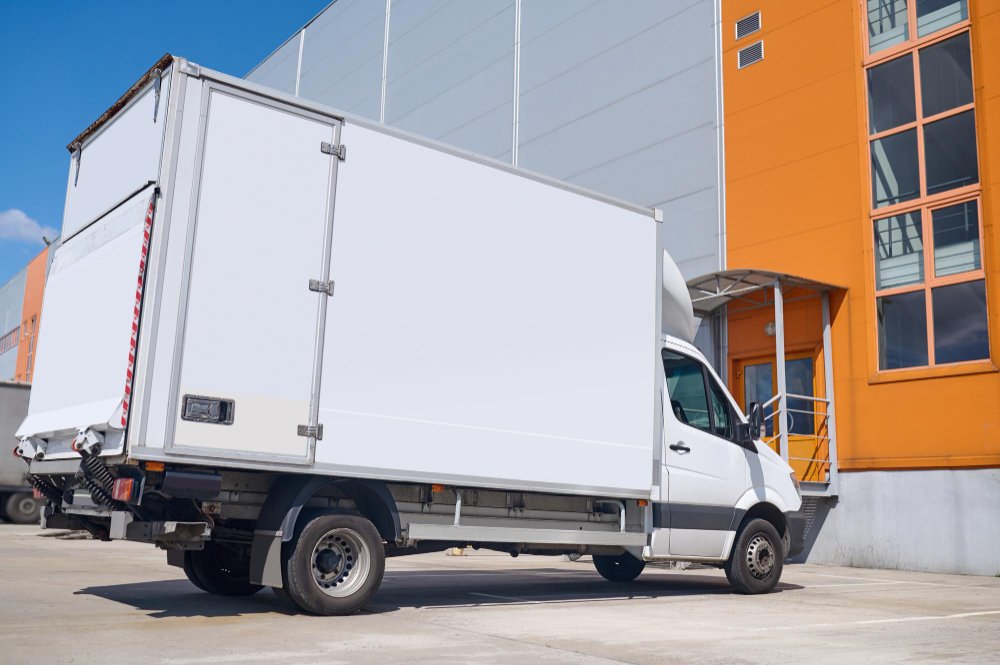
The logistics and delivery industry is one of the business sectors creating opportunities for entrepreneurs in Nigeria. With the growth of online shopping, social media businesses, supermarkets, restaurants, and interstate commerce, more businesses and individuals need reliable ways to move goods from one location to another.
You do not necessarily need to own a fleet of trucks or operate a large warehouse to enter this industry. You can start with a motorcycle dispatch service, provide food delivery, manage parcel transportation, or connect customers with independent delivery operators.
In this guide, we explore 10 profitable logistics and delivery business ideas in Nigeria, their requirements, target customers, and how you can get started.
1. Motorcycle Dispatch Rider Business
A motorcycle dispatch business involves using motorcycles to transport packages, documents, food, and other items from one location to another. It is one of the most accessible logistics business opportunities in Nigeria because it does not require the same level of investment as truck transportation or warehousing.
You can provide delivery services to restaurants, pharmacies, supermarkets, fashion stores, online vendors, and individuals.
There are two main ways to operate this business. You can purchase a motorcycle and employ dispatch riders, or you can work as an independent dispatch rider and handle deliveries yourself.
What you need to start:
- A motorcycle that meets applicable commercial transport requirements.
- A qualified rider with the necessary driving documents.
- A valid commercial operating permit where required.
- A smartphone and reliable internet connection.
- Safety equipment, including a helmet and reflective jacket.
- Delivery boxes and basic tracking tools.
How you make money: You charge customers per delivery, negotiate monthly delivery contracts with businesses, or offer scheduled delivery packages.
You can also expand by employing additional riders and covering more locations as your customer base grows.
2. E-commerce Delivery Business
E-commerce delivery involves transporting products purchased through online stores, websites, and social media platforms to customers.
As more Nigerian entrepreneurs sell products through Instagram, Facebook, TikTok, WhatsApp, and dedicated e-commerce websites, they need dependable delivery partners to fulfil customer orders.
You can establish a delivery company that specialises in serving online retailers rather than competing for every type of logistics job.
Your services could include same-day delivery, next-day delivery, interstate shipping, order collection, and return management.
What you need to start:
- Motorcycles, delivery vans, or partnerships with independent riders.
- A system for receiving and managing delivery orders.
- Reliable delivery personnel.
- Packaging materials.
- Customer communication and tracking tools.
How you make money: You earn delivery fees from merchants or customers. You can also negotiate monthly contracts with online retailers that process several orders daily.
One advantage of this business is the opportunity to build long-term relationships with online sellers who need delivery services regularly.
3. Food And Grocery Delivery Business
Food and grocery delivery involves transporting prepared meals, fresh produce, household supplies, and supermarket purchases to customers.
Busy professionals, students, families, and individuals who prefer shopping from home create demand for convenient delivery services.
You can partner with restaurants, food vendors, supermarkets, grocery stores, and market traders to handle their deliveries.
Rather than opening a restaurant or supermarket, you can focus entirely on transporting orders from existing businesses to their customers.
What you need to start:
- Motorcycles or other suitable delivery vehicles.
- Insulated food delivery bags.
- Reliable delivery personnel.
- Partnerships with restaurants and grocery vendors.
- A phone or digital platform for receiving orders.
How you make money: You can charge a delivery fee for every completed order, negotiate commissions with participating businesses, or offer monthly delivery arrangements.
A good way to start is by concentrating on a particular neighbourhood or commercial area. This helps reduce transportation costs and makes it easier to complete multiple deliveries within a short period.
4. Courier And Parcel Delivery Service
A courier business specialises in transporting documents, parcels, and other packages between individuals and organisations.
Unlike food delivery, which focuses mainly on meals and groceries, courier services can handle a wider range of items, including business documents, legal papers, personal packages, office supplies, and small commercial products.
Potential customers include law firms, schools, banks, corporate organisations, government offices, online retailers, and individuals.
You can offer express delivery, scheduled pickups, same-day delivery, and regular document transportation services.
What you need to start:
- Motorcycles or delivery vehicles.
- Trained delivery personnel.
- Packaging materials.
- A system for recording and tracking parcels.
- Appropriate business registration and regulatory authorisation.
How you make money: Revenue comes from delivery charges, express delivery fees, corporate contracts, and scheduled parcel collection services.
For entrepreneurs interested in serving businesses rather than individual customers, courier services can provide opportunities to secure recurring contracts.
5. Interstate Logistics And Parcel Delivery
Interstate logistics involves transporting packages, merchandise, and other goods between different cities and states in Nigeria.
For example, a business could collect products from sellers in Lagos and deliver them to customers in Ibadan, Abuja, Port Harcourt, Benin City, and other locations.
This business serves online retailers, wholesalers, market traders, manufacturers, distributors, and individuals who regularly send items across the country.
You do not necessarily need to purchase vehicles for every delivery route. You can partner with established transport companies, independent drivers, and local delivery operators to move packages.
What you need to start:
- Reliable transportation partners or delivery vehicles.
- Collection and drop-off locations.
- Packaging and parcel identification systems.
- A customer service and tracking process.
- A network of delivery agents in different cities.
How you make money: You charge customers based on parcel size, weight, delivery distance, and urgency. You can also negotiate bulk delivery arrangements with businesses.
Building a reliable network across major commercial cities can help you attract customers who need regular interstate transportation.
6. Truck Haulage And Cargo Transportation
Truck haulage involves transporting large quantities of goods and heavy materials from one location to another using trucks.
It is particularly important to manufacturers, construction companies, agricultural businesses, importers, wholesalers, and distributors.
Examples of goods transported through haulage services include cement, building materials, agricultural produce, industrial equipment, packaged food, and imported merchandise.
Unlike motorcycle dispatch and small parcel delivery, truck haulage generally requires substantial startup capital. However, it also provides opportunities to secure large transportation contracts.
What you need to start:
- Suitable trucks or access to leased vehicles.
- Qualified commercial drivers.
- Vehicle insurance and relevant operating documentation.
- Maintenance and fuel management arrangements.
- Business relationships with manufacturers and distributors.
How you make money: You charge customers per trip, by distance, by cargo volume, or through long-term transportation contracts.
Entrepreneurs with limited capital can enter this market by acting as haulage brokers, connecting businesses that need transportation with truck owners who have available vehicles.
7. Warehousing And Fulfilment Services
Warehousing involves providing storage facilities for businesses that need somewhere to keep their products before selling or distributing them.
Fulfilment services go a step further by handling activities such as inventory management, order processing, packaging, sorting, and dispatching products to customers.
This business is particularly useful to e-commerce companies and online retailers that do not have the resources to operate their own warehouses.
For example, an online fashion retailer can store products in your warehouse. Whenever a customer places an order, your business picks, packages, and sends the product to the delivery address.
What you need to start:
- A suitable and secure storage facility.
- Shelving and inventory management equipment.
- Packaging materials.
- Warehouse personnel.
- Inventory tracking software.
- Delivery partnerships.
How you make money: You can charge businesses for storage space, inventory handling, packaging, order processing, and dispatch services.
You can start with a relatively small storage facility and expand as more businesses subscribe to your services.
8. Cold Chain Logistics And Temperature-Controlled Delivery
Cold chain logistics involves transporting and storing products that must remain within specific temperature ranges to maintain their quality and safety.
These products include vaccines, certain medicines, laboratory samples, frozen foods, fresh meat, seafood, dairy products, and other temperature-sensitive goods.
The pharmaceutical, healthcare, food processing, and agricultural industries create demand for specialised transportation and storage services.
Unlike conventional delivery businesses, cold chain logistics requires specialised equipment and careful temperature monitoring throughout transportation and storage.
What you need to start:
- Refrigerated vehicles or temperature-controlled delivery containers.
- Appropriate cold storage facilities, depending on the services offered.
- Temperature monitoring equipment.
- Trained personnel.
- Reliable power supply and backup arrangements.
- Relevant regulatory approvals for the products being transported.
How you make money: You charge customers for refrigerated transportation, cold storage, specialised handling, and distribution contracts.
Although the startup requirements can be expensive, businesses that provide dependable temperature-controlled transportation can serve specialised commercial markets.
9. Moving And Relocation Services
A moving and relocation business helps individuals and organisations transport their belongings from one location to another.
Customers may need assistance when moving into a new apartment, relocating an office, changing business premises, or transporting furniture and household equipment.
You can offer residential moving, office relocation, furniture transportation, packing, loading, unloading, and temporary storage.
Your target customers include families, students, working professionals, landlords, property managers, and corporate organisations.
What you need to start:
- A suitable van, pickup truck, or moving truck.
- Loading and unloading equipment.
- Packing materials such as cartons, wrapping materials, and protective covers.
- Trained workers.
- Appropriate insurance arrangements.
How you make money: You charge customers based on the distance, volume of belongings, number of workers required, and complexity of the relocation.
You can also generate additional revenue by selling packing materials and offering furniture assembly or temporary storage services.
10. Logistics Brokerage And Delivery Aggregation
Logistics brokerage involves connecting individuals and businesses that need transportation services with independent dispatch riders, van owners, truck operators, and other logistics providers.
Instead of purchasing motorcycles, trucks, and delivery vans, you operate as an intermediary that coordinates transportation requests.
For example, an online retailer may need to deliver 20 orders within Lagos. Your business receives the request, assigns the deliveries to available independent riders, monitors their progress, and ensures customers receive their packages.
You can manage operations through a website, mobile application, WhatsApp, or a dedicated dispatch management system.
What you need to start:
- A network of reliable riders and vehicle owners.
- A smartphone or computer.
- A system for receiving and assigning delivery requests.
- Payment collection and reconciliation arrangements.
- Customer service and delivery monitoring processes.
How you make money: You earn commissions or service fees on completed deliveries. You can also charge businesses for managing their regular transportation requirements.
This is an attractive option for entrepreneurs who want to enter the logistics industry without immediately investing in an expensive vehicle fleet.
Comparison Of The 10 Logistics And Delivery Business Ideas
The table below provides a quick comparison of the different opportunities based on their capital requirements, target customers, and growth potential.
| Business Idea | Capital Requirement | Target Customers | Growth Potential |
|---|---|---|---|
| Motorcycle dispatch | Low to medium | Online vendors, restaurants, individuals | High |
| E-commerce delivery | Medium | Online retailers and merchants | High |
| Food and grocery delivery | Low to medium | Restaurants, supermarkets, households | High |
| Courier services | Low to medium | Individuals and organisations | High |
| Interstate logistics | Medium to high | Traders, wholesalers, online sellers | High |
| Truck haulage | High | Manufacturers and distributors | High |
| Warehousing and fulfilment | High | E-commerce businesses and retailers | High |
| Cold chain logistics | High | Pharmaceutical and food businesses | High |
| Moving and relocation | Medium | Individuals and companies | Medium to high |
| Logistics brokerage | Low to medium | Businesses and transportation operators | High |
How To Start A Logistics And Delivery Business In Nigeria
Starting a logistics business requires more than purchasing a motorcycle or renting a warehouse. You need a clear business model, reliable operations, and a strategy for attracting customers.
Here are the important steps to follow.
1. Choose Your Logistics Niche
Start by identifying the specific logistics service you want to provide.
You could focus on motorcycle dispatch, food delivery, courier services, interstate transportation, warehousing, or another opportunity.
Avoid trying to provide every service immediately. Concentrating on one area makes it easier to understand your customers, manage expenses, and build a reputation.
2. Conduct Market Research
Research the demand for your chosen service in your target location.
Identify potential customers, study existing competitors, compare their prices, and determine the problems they are not adequately solving.
For example, you may discover that online vendors in your neighbourhood struggle to find reliable same-day delivery services. This could represent an opportunity to establish a specialised delivery business.
3. Prepare A Business Plan
Your business plan should explain the services you intend to provide, your target customers, startup requirements, operating expenses, pricing structure, and expected revenue sources.
It should also outline how you plan to attract customers and expand operations.
4. Register Your Business And Obtain Relevant Permits
Register your business with the Corporate Affairs Commission (CAC).
Depending on your logistics model, you may also need permits, licences, or authorisations from relevant regulatory and transport authorities.
For example, courier and postal operators should investigate applicable Nigerian Postal Service (NIPOST) licensing requirements. Commercial vehicle and rider operations must also comply with relevant federal and state transportation regulations.
Do not assume that CAC registration alone authorises you to operate every type of logistics service.
5. Acquire Equipment And Secure Transportation Partners
Your equipment requirements will depend on your chosen business model.
A dispatch business may require motorcycles, helmets, delivery boxes, and smartphones. A haulage business may require trucks, while a warehousing company needs storage facilities and inventory management equipment.
If you cannot afford to purchase vehicles, consider leasing them or partnering with independent operators.
6. Determine Your Delivery Prices
Your pricing should cover operational expenses while remaining competitive.
Consider factors such as fuel, delivery distance, vehicle maintenance, rider compensation, packaging, insurance, and administrative expenses.
Avoid charging extremely low prices simply to attract customers. If your delivery fees cannot cover your operating costs, increasing the number of orders may only increase your losses.
7. Use Technology To Manage Operations
Technology can make it easier to receive orders, assign deliveries, monitor drivers, track parcels, and manage payments.
Depending on your business size, you can use delivery management software, GPS tracking, digital payment platforms, inventory management systems, and customer relationship management tools.
You can initially manage a small operation using basic digital tools before investing in more advanced systems.
8. Find Your First Customers
Approach businesses that regularly need transportation services.
These include online retailers, restaurants, supermarkets, pharmacies, wholesalers, manufacturers, and corporate organisations.
You can also advertise your services through social media, Google Business Profile, referrals, and direct business-to-business marketing.
Offering reliable service to your first customers can help generate referrals and long-term contracts.
9. Focus On Reliability And Customer Service
Customers want their packages delivered safely and on time.
Establish clear delivery procedures, communicate delays promptly, keep accurate records, and provide a way for customers to report problems.
A reputation for reliability can become one of your strongest competitive advantages.
How Much Does It Cost To Start A Logistics Business In Nigeria?
The amount required to start a logistics business in Nigeria depends on the type of service, location, equipment, and scale of operation.
For example, an entrepreneur operating as a logistics broker may need considerably less capital than someone establishing a truck haulage company or temperature-controlled warehouse.
Some of the major expenses to consider include:
- Business registration: CAC registration and other applicable regulatory costs.
- Transportation equipment: Motorcycles, delivery vans, trucks, or leased vehicles.
- Fuel and maintenance: Daily transportation expenses, repairs, servicing, and replacement parts.
- Staff expenses: Salaries, rider payments, driver compensation, and administrative costs.
- Insurance: Appropriate coverage for vehicles, employees, and goods in transit.
- Technology: Smartphones, computers, tracking systems, and logistics management software.
- Storage and packaging: Warehouse rent, shelving, cartons, protective materials, and delivery boxes.
- Marketing: Advertising, branding, customer acquisition, and business promotion.
If you have limited capital, consider starting with logistics brokerage, a small dispatch operation, or a delivery partnership model. These options allow you to test customer demand before investing in expensive assets.
Challenges Of Running A Logistics Business In Nigeria
Although the logistics industry offers business opportunities, entrepreneurs must understand the challenges associated with operating in Nigeria.
1. High Fuel And Maintenance Costs: Fuel prices and vehicle maintenance expenses can significantly affect profitability. Businesses should monitor operating costs and plan delivery routes efficiently.
2. Poor Road Infrastructure: Bad roads, traffic congestion, and difficult access to some locations can cause delays and increase transportation expenses.
3. Theft And Damaged Goods: Packages can be lost, stolen, or damaged during transportation. Proper packaging, delivery documentation, insurance, and tracking systems can help reduce these risks.
4. Competition: Many businesses already provide dispatch, courier, and transportation services. You need to differentiate your business through reliability, pricing, specialised services, or customer experience.
5. Difficulties With Delivery Addresses: Inaccurate addresses and poorly identified locations can make deliveries difficult. Using GPS-enabled maps and confirming delivery details before dispatch can help.
6. Regulatory Requirements: Different logistics activities may be subject to specific licensing, transportation, safety, and operational requirements. Understand the regulations applicable to your business before commencing operations.
7. Delayed Payments: Corporate customers may sometimes delay payments, creating cash flow problems. Establish clear payment terms and maintain sufficient working capital.
Which Logistics Business Is Best For Beginners In Nigeria?
If you are entering the logistics industry for the first time, consider starting with a business model that does not require substantial investment in vehicles, warehouses, or specialised equipment.
Three options worth considering are:
1. Motorcycle Dispatch Business: This is suitable for entrepreneurs who want to serve restaurants, online vendors, pharmacies, and individuals within a specific location.
2. Food And Grocery Delivery: You can partner with existing restaurants, supermarkets, and food vendors rather than investing in a restaurant or grocery store.
3. Logistics Brokerage: This is suitable for entrepreneurs who have strong coordination and marketing skills. You can connect customers with independent transportation providers and earn commissions without owning a fleet.
The best option depends on your available capital, location, business experience, and the demand for logistics services in your target market.
Frequently Asked Questions (FAQs)
1. Is logistics business profitable in Nigeria?
Yes. Logistics can be profitable in Nigeria because individuals and businesses regularly need transportation, parcel delivery, warehousing, and distribution services. However, profitability depends on customer demand, operating expenses, pricing, and the efficiency of your operations.
2. How much does it cost to start a logistics business in Nigeria?
There is no universal startup cost. A small delivery or brokerage operation requires fewer resources than a company operating multiple trucks or a temperature-controlled warehouse. Your budget should account for registration, equipment, staff, transportation, insurance, and marketing.
3. Which logistics business can I start with ₦500,000?
Depending on your location and prevailing equipment prices, you could explore a small logistics brokerage, a delivery coordination business, or a partnership-based food delivery service. You may also consider operating as a dispatch rider if you already have access to a suitable motorcycle.
4. Can I start a delivery business without owning a motorcycle?
Yes. You can partner with independent dispatch riders, lease motorcycles, or operate a logistics aggregation business that connects customers with available transportation providers.
5. How do logistics companies make money in Nigeria?
Logistics companies generate revenue through delivery fees, transportation contracts, parcel charges, warehousing fees, order fulfilment, haulage services, and commissions from transportation partnerships.
6. Do I need a licence to start a logistics business in Nigeria?
It depends on the type of logistics service you intend to provide. CAC registration is an important starting point, but courier, postal, commercial transportation, and specialised logistics activities may require additional licences, permits, or regulatory approvals.
7. Which logistics business has the highest growth potential in Nigeria?
E-commerce delivery, interstate logistics, warehousing and fulfilment, cold chain logistics, and truck haulage all have significant growth opportunities. However, their profitability and scalability depend on market demand, operational capacity, and investment.
8. How can I get customers for my delivery business?
You can approach online vendors, restaurants, supermarkets, pharmacies, manufacturers, and other businesses that regularly need transportation services. Social media marketing, referrals, Google Business Profile, and direct business partnerships can also help attract customers.
Conclusion
The logistics and delivery industry offers several opportunities for entrepreneurs in Nigeria, ranging from small motorcycle dispatch operations to large-scale haulage, warehousing, and cold chain businesses.
The best approach is to choose a business model that matches your available capital, skills, and target market. You do not need to start with an expensive fleet or a large warehouse. You can begin with a focused service, build a reliable customer base, and expand as your business grows.
Ultimately, success in the logistics industry depends on delivering goods safely, managing operational costs, meeting delivery timelines, and building lasting relationships with customers.