
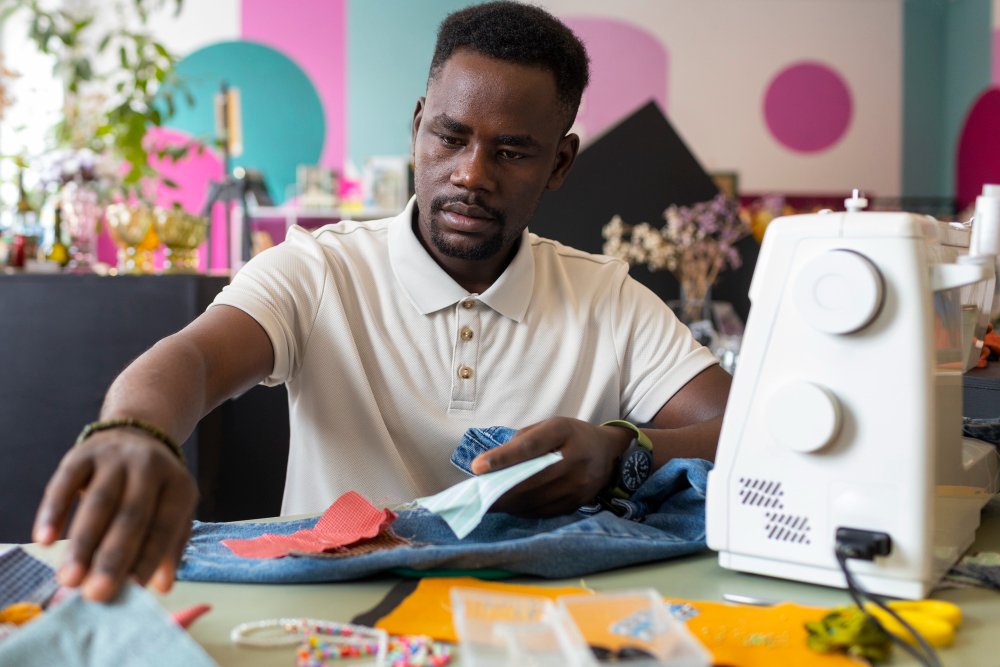
Creating and selling digital patterns is a practical way to turn knitting and sewing skills into an online business. Instead of making finished clothes, accessories, or decorative items for every customer, you can design a pattern once, convert it into a downloadable file, and sell it repeatedly to people who want to make the products themselves.
The business does not require a physical shop, expensive equipment, or a large inventory. With the right design tools, properly tested instructions, and an effective marketing strategy, you can build a digital product business that reaches customers in different parts of the world.
This guide explains how to create digital patterns for knitting and sewing, where to sell them, how to determine your prices, and how to attract customers.
1. What Are Digital Patterns?
Digital patterns are downloadable instructions, diagrams, charts, or templates that guide people through making a particular item. They are commonly used in knitting, sewing, crochet, embroidery, and other creative activities.
For example, someone who wants to knit a sweater can purchase a digital knitting pattern containing the required measurements, yarn recommendations, stitch instructions, and finishing techniques. Similarly, someone who wants to sew a dress can purchase a PDF sewing pattern containing the garment design, cutting templates, measurements, and assembly instructions.
Unlike traditional paper patterns sold in physical stores, digital patterns are delivered electronically. Customers can download them after purchasing and print them at home or follow the instructions using a computer or tablet.
Some popular types of digital patterns include:
- Knitting patterns: Instructions for making sweaters, cardigans, scarves, hats, socks, blankets, and other knitted products.
- Sewing patterns: Templates and instructions for making dresses, trousers, shirts, bags, skirts, and other clothing items.
- Crochet patterns: Instructions for creating blankets, toys, clothing, accessories, and decorative items.
- Embroidery patterns: Digital designs that guide users through creating decorative stitches and embroidered artwork.
- Quilting patterns: Templates and instructions for combining different pieces of fabric into decorative quilts.
- Accessory patterns: Designs for making handbags, purses, headbands, hats, and other accessories.
Most digital patterns are distributed as PDF files because they are easy to download, print, and read on different devices. Some sellers also provide SVG files, image files, and other printable templates depending on the product.
2. Why Sell Digital Patterns?
Selling digital patterns offers several advantages over producing and selling finished handmade products. The main attraction is that you can create a product once and continue selling it without having to manufacture another physical item for every customer.
Here are some reasons to consider this business.
Low startup costs: You do not need to rent a shop, purchase large quantities of materials, or maintain a warehouse. You can start with a computer, design software, and the skills needed to create useful patterns.
No inventory management: Digital products do not require physical storage. Once your patterns are ready, they can remain available for purchase without worrying about stock levels.
Repeated sales: A single pattern can be sold to hundreds or thousands of customers. You do not have to recreate the design after every transaction.
International customers: Digital patterns can be purchased by people in different countries. This gives designers access to a much larger market than selling handmade products within their immediate communities.
Flexible working arrangements: You can develop patterns, manage your online store, and communicate with customers from home. You can also work at your own pace.
Opportunities to build a brand: As your product collection grows, you can establish a recognisable brand known for particular knitting or sewing styles.
Although digital patterns can generate repeated sales, they are not automatically a source of passive income. You still need to create quality products, attract customers, answer questions, and update your designs when necessary.
3. What You Need to Start a Digital Pattern Business
Before creating your first product, you need a few basic resources.
- Knitting or sewing skills: You should understand the craft you intend to create patterns for. Your instructions must be accurate enough for another person to reproduce the finished item.
- A computer: A laptop or desktop computer makes it easier to create detailed designs, organise measurements, edit documents, and prepare printable files. Some tasks can also be completed using a smartphone or tablet.
- Pattern design software: You need software for creating illustrations, charts, diagrams, templates, and other design elements.
- Testing materials: Depending on your niche, you may need yarn, needles, fabric, sewing machines, measuring tapes, and other materials to test your patterns.
- Product presentation: You need clear photographs or mockups showing what customers can create using your patterns.
- An online selling platform: You need somewhere customers can discover, purchase, and download your products.
You do not need all these resources to be expensive. Several free or affordable tools can help you get started.
4. How to Create Digital Patterns for Knitters and Sewists
Creating a digital pattern involves more than drawing a design and saving it as a PDF. You must provide accurate instructions that customers can follow without needing to contact you for clarification at every stage.
Here is how to approach the process.
Step 1: Choose Your Pattern Niche
Start by deciding what type of patterns you want to create and sell.
You could focus on knitting patterns, sewing patterns, crochet designs, or a combination of different crafts. However, starting with a specific category can make it easier to understand your target customers and establish your brand.
For example, a knitting designer might specialise in beginner-friendly sweater patterns, while a sewing designer might focus on women’s dresses, children’s clothing, or handmade bags.
Consider the following when choosing your niche:
- Your existing skills and experience.
- The types of products people are interested in making.
- The level of competition in the market.
- The complexity of creating and testing different patterns.
- The availability of customers willing to pay for your designs.
You can research existing products on marketplaces such as Etsy and Ravelry to understand what other designers are selling.
Pay attention to customer reviews. They can reveal common problems with existing patterns and help you identify opportunities to create better products.
Step 2: Research Your Target Audience
Once you have selected your niche, identify the people most likely to purchase your patterns.
Not every knitter or sewist has the same level of experience. Some are complete beginners who need simple instructions, while others have years of experience and are interested in more complicated designs.
Understanding your audience will help you determine what products to create and how to present them.
For example, beginner knitters may prefer patterns with detailed explanations, photographs, and simple stitch instructions. Experienced knitters may be more interested in advanced techniques, unique designs, and specialised garments.
You should also consider the types of products your audience wants to make, their preferred styles, common sizes, and the materials they can easily access.
Step 3: Create Your Original Pattern Design
After researching your audience, develop an original design.
Start with a clear idea of the finished product. If you are creating a knitting pattern, decide whether you want to design a sweater, scarf, cardigan, hat, or another item.
For sewing patterns, determine the type of garment or accessory, its shape, measurements, fabric requirements, and construction method.
Your pattern should contain all the information customers need to complete the project.
For a knitting pattern, this may include:
- Finished measurements and available sizes.
- Yarn type and quantity.
- Recommended needle sizes.
- Stitch abbreviations and explanations.
- Gauge information.
- Row-by-row or round-by-round instructions.
- Finishing and assembly instructions.
For a sewing pattern, include:
- Body measurements and finished garment measurements.
- Fabric and material requirements.
- Cutting layouts.
- Seam allowances.
- Pattern pieces.
- Sewing instructions.
- Assembly and finishing details.
You can also include diagrams, photographs, and illustrations to make complicated instructions easier to understand.
The most important requirement is accuracy. A beautifully designed pattern will still disappoint customers if the instructions produce the wrong measurements or an unfinished product.
Step 4: Use Digital Tools to Create Your Patterns
You do not need to be a professional graphic designer to create digital patterns. Several software applications can help you produce clear and professional-looking documents.
Here are some useful options.
Canva: Canva is useful for designing pattern covers, organising instructions, creating illustrations, and formatting PDF documents. Its templates can help beginners produce attractive product documents. Visit https://www.canva.com/.
Adobe Illustrator: Adobe Illustrator is useful for creating detailed sewing pattern illustrations, technical drawings, garment diagrams, and scalable graphics. It is particularly valuable for designers who need precise control over their designs. Visit https://www.adobe.com/products/illustrator.html.
Inkscape: Inkscape is a free alternative for creating vector illustrations, sewing templates, and other technical graphics. It is a useful option for people who want to avoid expensive design subscriptions. Visit https://inkscape.org/.
Stitch Fiddle: Stitch Fiddle is particularly useful for creating knitting, crochet, and cross-stitch charts. It allows designers to create visual stitch patterns that customers can follow. Visit https://www.stitchfiddle.com/.
Affinity Designer: Affinity Designer can be used to create illustrations, technical drawings, and other visual elements for digital patterns. Visit https://www.affinity.studio/.
The best tool depends on the type of pattern you are creating. Canva is useful for document presentation, while specialised applications such as Stitch Fiddle are more suitable for creating knitting charts.
You can also combine multiple tools. For example, you could create a knitting chart in Stitch Fiddle, prepare illustrations in another design application, and arrange everything into a professional PDF using Canva.
Step 5: Test Your Pattern Before Selling
Testing is one of the most important stages of creating digital patterns.
Before publishing your product, use the instructions to make the item yourself. This allows you to identify missing steps, incorrect measurements, confusing instructions, and other errors.
You should also consider asking other knitters or sewists to test your pattern.
This process is commonly called test knitting or test sewing. Independent testers follow your instructions and report any problems they encounter.
For example, a sewing pattern may appear correct on your computer but produce a garment with poor fitting when someone uses it. Similarly, a knitting pattern may contain incorrect stitch counts that affect the finished product.
Testing helps you identify these problems before customers purchase the pattern.
Where possible, ask testers with different experience levels to review the instructions. Their feedback can help you determine whether the pattern is suitable for the audience you intend to target.
Step 6: Prepare Your Pattern for Digital Download
Once your pattern has been tested and corrected, prepare the final files for customers.
PDF is generally the most convenient format because customers can open it on different devices and print it when necessary.
Your document should contain a professional cover page, a description of the finished product, materials required, measurements, instructions, and relevant illustrations.
For sewing patterns, include printable pattern pieces and clear instructions on how customers should print and assemble them. If the pattern is designed for printing on multiple A4 or US Letter pages, provide the correct printing settings and assembly guidance.
For knitting patterns, make sure charts and stitch instructions remain readable when printed.
You should also check that the document displays correctly on mobile phones, tablets, and computers.
Finally, organise your downloadable files properly. If a product contains multiple documents, give each file a clear name so customers can easily identify what they need.
How to Price Your Digital Patterns
Pricing determines how much you earn from each sale and how customers perceive the value of your products.
There is no universal price for digital knitting and sewing patterns. A simple beginner pattern will generally have a different price from a detailed garment pattern containing several sizes, technical diagrams, and advanced instructions.
Consider the following factors when determining your prices.
Complexity of the design: Patterns that require advanced techniques, detailed instructions, and multiple components may justify higher prices.
Time spent creating the pattern: Consider the time required for research, designing, testing, editing, and preparing the final document.
Market prices: Research similar products on Etsy, Ravelry, and other marketplaces. This will help you understand what customers are accustomed to paying.
Customer value: Consider how useful the pattern is to the buyer. A detailed pattern that saves customers time and helps them achieve professional-looking results may justify a higher price.
Platform fees: Remember to account for transaction fees, payment processing charges, and other selling expenses.
As an illustration, a simple digital pattern might sell for $3 to $5, while a more detailed knitting or sewing pattern could sell for $8 to $15 or more. These are illustrative pricing ranges, not fixed market rates.
You can also introduce bundles. For example, instead of selling five individual knitting patterns separately, you could offer them together at a discounted price.
This gives customers an opportunity to purchase more products in one transaction.
Best Platforms to Sell Digital Patterns Online
After creating your patterns, you need a platform where customers can discover and purchase them.
Several online marketplaces and digital commerce platforms support the sale of downloadable products.
1. Etsy
Etsy is one of the most recognised marketplaces for handmade products, craft supplies, and digital downloads.
It is a suitable platform for selling knitting and sewing patterns because its audience already includes people interested in handmade products and creative projects.
You can create product listings containing photographs, descriptions, prices, and downloadable files. Customers can purchase your patterns and access the files electronically.
One advantage of Etsy is that you do not have to build an entire ecommerce website before starting. You can create a shop and use the marketplace to reach potential customers.
However, Etsy charges sellers various listing, transaction, and payment processing fees. You should also review its seller eligibility, payment availability, and current policies before registering, particularly if you are operating from Nigeria.
Official website: https://www.etsy.com/
2. Ravelry
Ravelry is a specialised online community for people interested in knitting, crochet, spinning, and other fibre crafts.
Unlike general digital marketplaces, Ravelry focuses on the interests of its community. This makes it particularly relevant for designers creating knitting and crochet patterns.
You can use the platform to showcase your designs, connect with other crafters, and sell patterns to people who are already interested in these activities.
Its specialised audience can make it easier to reach potential customers who understand the value of well-designed knitting patterns.
Official website: https://www.ravelry.com/
3. Payhip
Payhip allows creators to sell digital products through an online storefront.
You can upload your knitting and sewing patterns, set prices, and provide customers with downloadable files after payment.
One of its advantages is that it allows you to establish a branded storefront without developing an ecommerce website from scratch.
You can also share your product links through social media, email newsletters, and other marketing channels.
Payhip offers different pricing plans, with transaction fees depending on the plan you select. Check its current payment gateway support and withdrawal options before choosing it as your primary platform.
Official website: https://payhip.com/
4. Gumroad
Gumroad is another platform that allows creators to sell downloadable products directly to customers.
You can use it to sell individual knitting patterns, sewing templates, collections, and other digital resources.
The platform provides product pages and handles digital product delivery, reducing the amount of technical work involved in managing an online store.
It is particularly useful if you already have an audience on social media or a blog and want to direct followers to a simple purchasing page.
However, review its transaction fees, payout methods, and country restrictions before setting up your store.
Official website: https://gumroad.com/
5. Shopify
Shopify is an ecommerce platform that allows businesses to create independent online stores.
Unlike marketplaces such as Etsy and Ravelry, Shopify gives you greater control over your website, branding, product presentation, and customer experience.
You can create a dedicated online store for your knitting and sewing patterns and use digital delivery applications to provide downloadable files after purchases.
The main advantage is that you can build your own brand without depending entirely on a third-party marketplace.
However, Shopify involves subscription costs and additional expenses depending on the features and applications you use. You will also need to attract your own customers through marketing.
Official website: https://www.shopify.com/
How to Market and Promote Your Digital Patterns
Creating quality patterns is only one part of building a successful business. You also need to make potential customers aware of your products.
Without effective marketing, even excellent designs can struggle to generate sales.
Here are some ways to promote your digital patterns.
Social Media Marketing
Social media platforms provide opportunities to showcase your designs, demonstrate how they work, and attract people interested in knitting and sewing.
Pinterest: Pinterest is particularly useful because people visit the platform to discover ideas, tutorials, designs, and creative projects.
You can create attractive pins showing finished garments, accessories, and other products made using your patterns. Each pin can link directly to your online store.
Use descriptive titles and keywords that match what potential buyers are searching for.
Instagram: Instagram allows you to share photographs, reels, carousels, and short videos showing your designs.
You can publish images of finished products, behind-the-scenes videos of your design process, and demonstrations of how particular patterns work.
TikTok: Short videos can help you reach people interested in knitting and sewing. You can share tutorials, pattern previews, sewing demonstrations, and videos showing how a product is made.
Facebook: Facebook groups provide access to communities of knitters, sewists, and other craft enthusiasts. You can participate in relevant discussions, answer questions, and share your products where promotional posts are permitted.
Search Engine Optimisation (SEO)
Search engine optimisation can help your patterns appear when people search Google for specific designs and instructions.
For example, someone looking for a beginner knitting pattern might search for phrases such as “easy knitted scarf pattern PDF” or “beginner sweater knitting pattern”.
You can use these search terms naturally in your product titles, descriptions, image names, and website content.
If you have an independent website, publish helpful articles related to your niche.
Some relevant article ideas include:
- How to Knit a Sweater for Beginners.
- Best Fabrics for Sewing Summer Dresses.
- Essential Knitting Tools for Beginners.
- How to Choose the Right Yarn for Knitting.
- Common Sewing Mistakes and How to Avoid Them.
These articles can attract people through Google and direct interested readers to your digital products.
Email Marketing
Email marketing allows you to communicate directly with people who have expressed interest in your designs.
You can encourage visitors to subscribe to your mailing list by offering a free beginner knitting or sewing pattern.
After building your list, send subscribers updates about new designs, product collections, tutorials, and special offers.
For example, you could send an email whenever you release a new collection of winter knitting patterns.
This gives you an opportunity to generate repeat purchases without depending entirely on social media algorithms.
Collaborate With Influencers and Craft Creators
You can also work with knitting and sewing content creators who already have established audiences.
Send selected creators free copies of your patterns and ask them to demonstrate the finished products.
For example, a sewing influencer could use your digital dress pattern to create a finished dress and share the process with their followers.
This provides social proof and allows potential customers to see what your patterns can produce.
You can also establish affiliate arrangements where creators receive a commission for customers they refer to your store.
Common Mistakes to Avoid When Selling Digital Patterns
Several mistakes can affect the quality of your products and discourage customers from purchasing again.
Publishing untested patterns: Never assume that a pattern will work simply because it looks correct on your computer. Test it before making it available for sale.
Providing unclear instructions: Customers should be able to follow your patterns without constantly guessing what to do next. Use simple explanations, diagrams, and photographs where necessary.
Copying other designers’ work: Do not reproduce another person’s protected patterns and sell them as your own. Develop original designs and respect intellectual property rights.
Using poor-quality product images: Customers want to understand what they are purchasing. Use clear photographs of finished products and attractive previews of the downloadable documents.
Setting unrealistic prices: Prices that are too high can discourage buyers, while prices that are unnecessarily low can make it difficult to cover your costs. Research comparable products before deciding.
Ignoring customer feedback: Customer complaints can reveal problems with your instructions, file formats, and product descriptions. Address genuine issues and improve your products.
Depending on one platform: Relying entirely on one marketplace exposes your business to changes in platform policies, fees, and visibility. Where permitted, build an independent audience through your website and email list.
Legal Considerations When Selling Digital Patterns
Before selling your designs, understand the legal responsibilities involved in distributing digital products.
Copyright protection: Original patterns, illustrations, written instructions, and other creative materials may qualify for copyright protection. Avoid copying protected content belonging to other designers.
Licensing terms: Clearly explain what customers are allowed to do with the patterns they purchase.
For example, you may allow customers to use your patterns for personal projects while restricting the redistribution or resale of the digital files.
You should also decide whether customers are permitted to sell finished products made using your patterns. Some designers allow this for small businesses, while others impose specific conditions.
Refund policies: Digital downloads can create challenges when customers request refunds after accessing the files. Publish a clear refund policy and ensure it complies with applicable consumer protection laws and marketplace requirements.
Tax obligations: Selling internationally may create tax responsibilities depending on where you operate, where your customers are located, and which platforms process your transactions. Understand the relevant requirements before expanding your business.
How Much Money Can You Make Selling Digital Patterns?
The amount you can earn from selling digital patterns depends on several factors, including product quality, pricing, customer demand, marketing, and the number of patterns in your catalogue.
One major advantage of digital products is that you can sell the same design repeatedly without manufacturing a new physical product for every order.
Consider a simple example.
Suppose you create a digital sewing pattern and sell it for $8. If 50 customers purchase the pattern in one month, your gross revenue will be $400.
If you have 10 different patterns selling 50 copies each at $8, your gross revenue would be $4,000.
However, these figures are hypothetical examples, not guaranteed earnings. Building a business that consistently generates these sales requires products people want, effective marketing, and a reliable customer experience.
You should focus on developing a collection of useful patterns and gradually increasing your customer base rather than expecting immediate results.
Tips for Building a Successful Digital Pattern Business
Start with a small collection: You do not need dozens of products before launching. Start with a few well-designed patterns, test customer demand, and expand based on what sells.
Specialise in a particular niche: Building a reputation around a specific category can help customers understand what your brand offers. You could focus on beginner knitting patterns, children’s sewing patterns, or handmade accessories.
Offer different difficulty levels: Include beginner, intermediate, and advanced patterns to appeal to customers with different experience levels.
Create product bundles: Combine related patterns into collections and offer them at discounted prices. This can increase the average amount customers spend per transaction.
Use professional product presentation: Your product images should clearly show the finished item and communicate what customers will receive after purchasing.
Provide excellent customer support: Respond to questions about sizing, materials, printing, and instructions. Good customer service can encourage positive reviews and repeat purchases.
Update your products: If customers identify errors or you discover improvements, update the relevant files. Maintaining accurate patterns protects your reputation.
Build a recognisable brand: Use consistent colours, typography, product photography, and document layouts across your online store.
Study customer behaviour: Monitor which patterns attract the most views, generate purchases, and receive positive feedback. Use this information to decide what to create next.
Conclusion
Creating and selling digital patterns is an opportunity for knitters, sewists, and other creative individuals to turn their skills into an online business. Instead of relying exclusively on selling finished handmade products, you can create downloadable patterns and sell them repeatedly to customers around the world.
The process begins with choosing a suitable niche, researching your audience, developing original designs, and testing your instructions. You can then prepare your patterns as downloadable files and sell them through platforms such as Etsy, Ravelry, Payhip, Gumroad, and Shopify.
However, creating the products is only the beginning. You also need effective pricing, marketing, customer support, and consistent product development.
Start with a few quality patterns, understand what your customers want, and gradually expand your collection. With a well-planned approach, selling digital patterns can become a sustainable online business.